- placement: superzone
- path: articles/hero
- containerId: gpt-ad-221818315394
- possible size: [970, 250], [970, 90], [728, 90], [320, 50], [1, 1],
-
targeting:
{
  "url": "best-time-to-visit-chiang-mai",
  "destination": "Chiang-Mai",
  "title": "chiang-mai",
  "city": "Chiang-Mai",
  "region": "Southeast-Asia",
  "country": "Thailand",
  "continent": "Asia",
  "refresh": 30,
  "refresh_limit": 3
}
The best time to visit Chiang Mai
Jun 16, 2026
6 MIN READ

Writer
Highlights
Chiang Mai-based writer Aydan Stuart picks the best months to visit.
Cool-season November to January suits rafting, mountain hikes and the Yee Peng lantern festival.
February to April brings choking smog; wait for Songkran's Old City water fights April 12–16.
The rainy season, May to October, rewards with moody jungle, waterfalls and bargain stays.
Jing Jai Market in August. Tanakrit Wattanasiri/239 Studio for Lonely Planet

Writer
Highlights
Chiang Mai-based writer Aydan Stuart picks the best months to visit.
Cool-season November to January suits rafting, mountain hikes and the Yee Peng lantern festival.
February to April brings choking smog; wait for Songkran's Old City water fights April 12–16.
The rainy season, May to October, rewards with moody jungle, waterfalls and bargain stays.
Lonely Planet may earn a commission from affiliate links on our site. All recommendations and reviews reflect our own independent opinions.
Often packed with as many visitors as there are roadside hawkers, Chiang Mai is one of Thailand’s most-loved destinations, offering a cool respite from the beaches and busy cities further south.
While there’s a lot to do in town, the best experiences in Chiang Mai are often found in the province’s natural surroundings. As with the rest of Thailand, rain and smoke can make or break even the best-planned vacation up north.
- placement: inContentSidebar
- path: articles/in-content-top
- containerId: gpt-ad-150245049131
- possible size: [728, 90], [300, 250], [320, 50], [1, 1],
-
targeting:
{
  "url": "best-time-to-visit-chiang-mai",
  "destination": "Chiang-Mai",
  "title": "chiang-mai",
  "city": "Chiang-Mai",
  "region": "Southeast-Asia",
  "country": "Thailand",
  "continent": "Asia",
  "refresh": 30,
  "refresh_limit": 3
}
With November to January generally considered peak season – and therefore the best time to visit – there are incredible experiences that define Chiang Mai, whatever the weather. Here's our guide to help you make the best decision for your trip.
November to January has the sunniest weather and is packed with cultural festivals
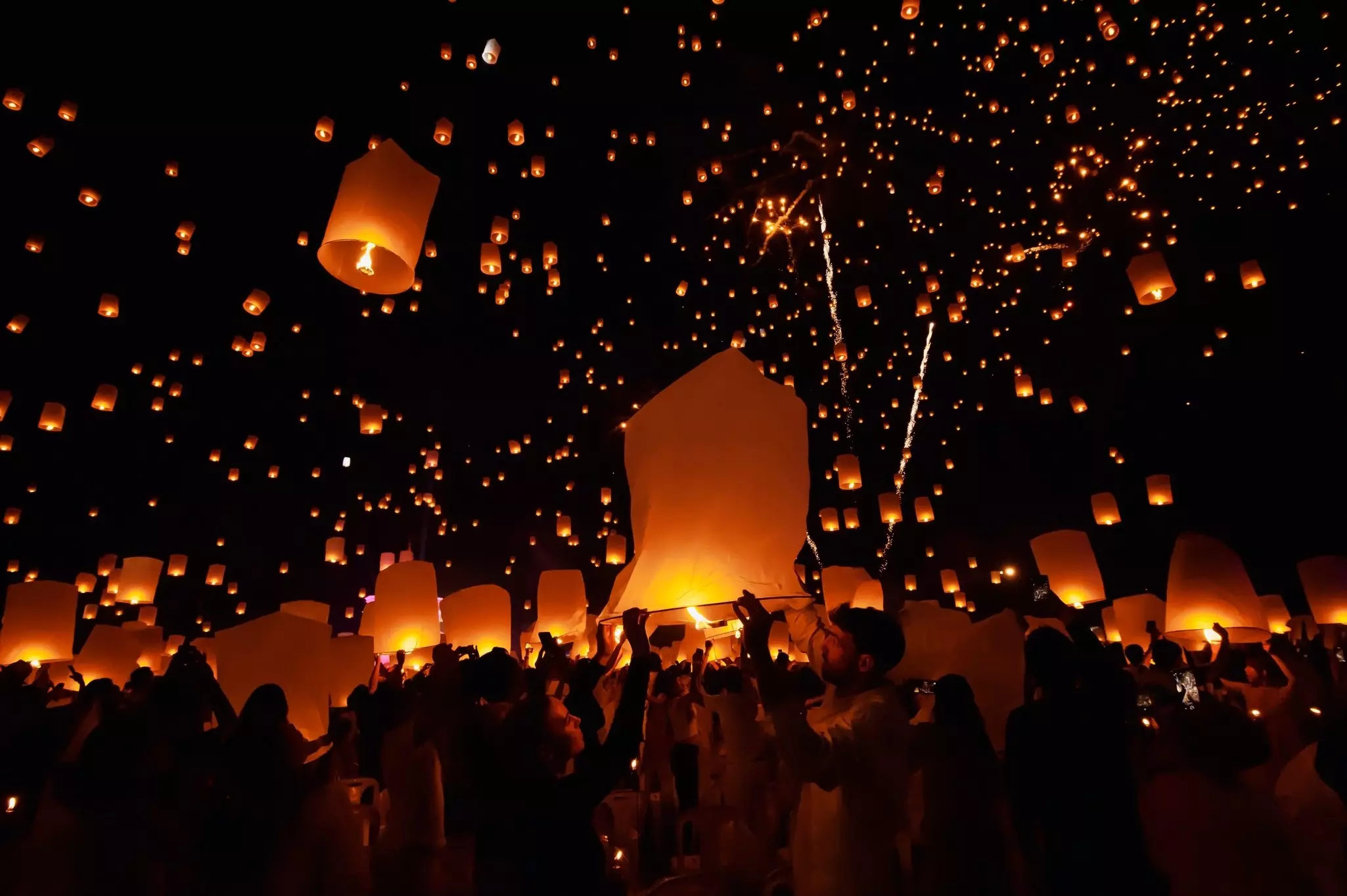
Weather in Chiang Mai in the dry season: In November, the rain stops, and cold fronts bring the temperatures down a notch (at night, at least). This ushers in the sunny “cool” season and officially marks the start of Thailand's peak travel season. Nighttime temperatures drop to 12–15°C (53–60°F), and the cooler weather guarantees to make outdoor activities more bearable.
While there are plenty of peaks in Thailand where you can enjoy a sea of clouds – think Phu Chee Fah, Doi Pha Hom Pok or Doi Angkhang – there’s no place better than atop the towering pinnacle of Doi Luang Chiang Dao. Open for just November, December and January and limited to 150 people a day, it does take some planning, but the 360-degree views at sunset and sunrise are entirely worth it. The booking website is mainly in Thai, so try sending a message through the Facebook group to secure your spot.
In the dry season, rivers continue to flow but without the risk of violent jungle river swells that come with monsoon downpours, making it the best time for white-water rafting. While the Nam Wa River in nearby Nan Province offers the best long-distance rapids in the country, Chiang Mai’s Mae Taeng River is a great alternative for those new to the sport.
- placement: inContentSidebar
- path: articles/in-content-middle
- containerId: gpt-ad-547070571548
- possible size: [728, 90], [300, 250], [320, 50], [1, 1],
-
targeting:
{
  "url": "best-time-to-visit-chiang-mai",
  "destination": "Chiang-Mai",
  "title": "chiang-mai",
  "city": "Chiang-Mai",
  "region": "Southeast-Asia",
  "country": "Thailand",
  "continent": "Asia",
  "refresh": 30,
  "refresh_limit": 3
}
Back in the city, there are plenty of exciting cultural events that are worth planning around. November’s full moon is of greatest importance in the lunar calendar and is when the country celebrates Loi Krathong festival. Marking the end of the rainy season, people thank the waters for a prosperous year by floating makeshift candlelit rafts decorated with flowers and incense. In Chiang Mai, this celebration aligns with the northern Yee Peng festival of lanterns. December and January are also months where more contemporary festivals take place, covering music, art, culture and crafts.
February to April is the smoky season
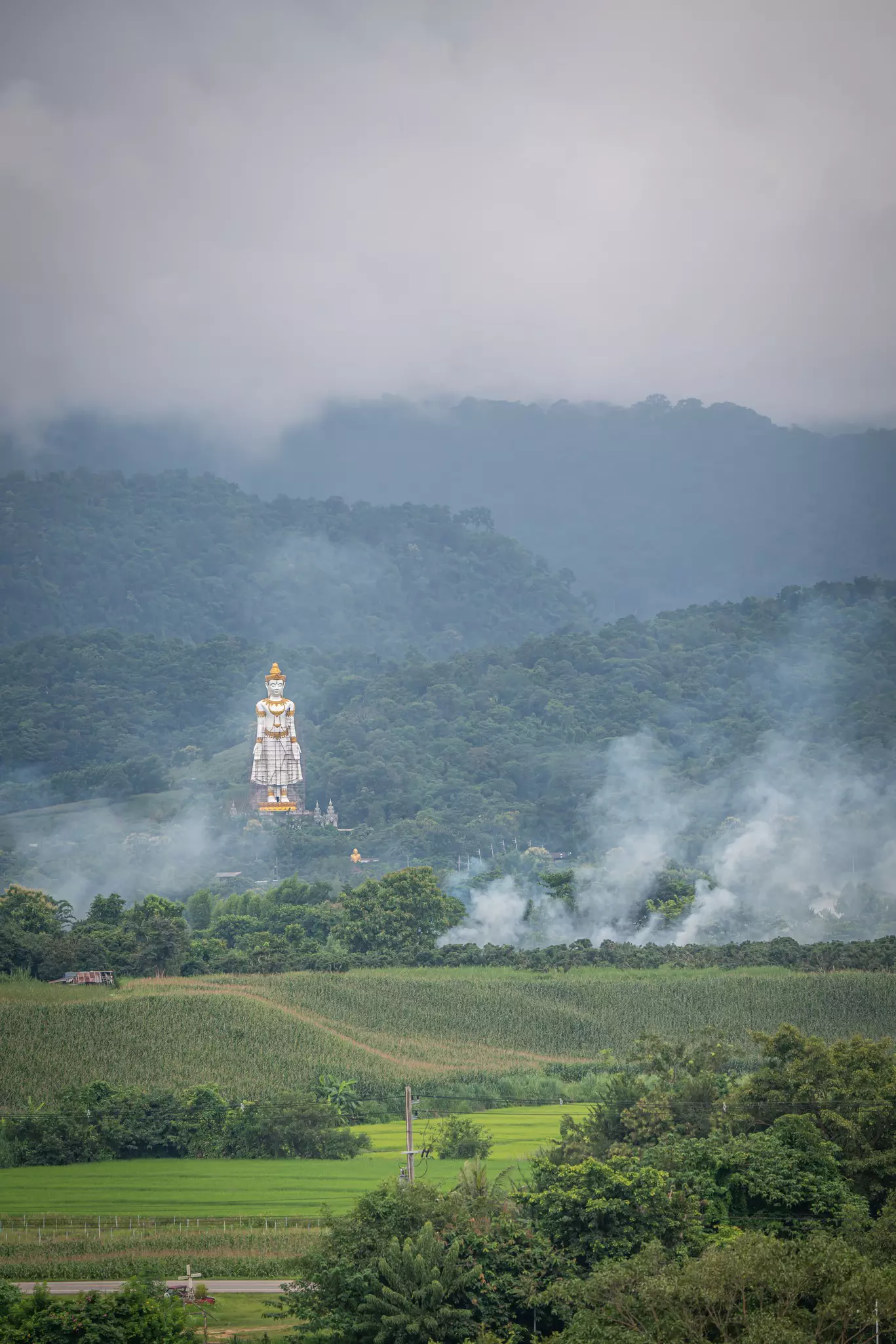
Weather in Chiang Mai in burning season: At this time of year, high temperatures can reach around 36°C (97°F) and drop to around 16°C (61°F) at night. Expected rainfall is low, too. Some might say this is too good to be true, which is perhaps why there’s a smoky season to balance it all out.
From February (and sometimes as early as January) to April, Northern Thailand, Myanmar, Laos and Vietnam are blanketed in a thick layer of PM2.5 smog caused primarily by slash-and-burn agricultural practices and human-caused forest fires.
During this time, Chiang Mai regularly tops the list as the most air-polluted city in the world. While passing through the region during this time is manageable for tourists as exposure is generally brief, locals who are sick of the smoke choose to hunker down indoors or escape to the beaches while the rest of the city suffocates. Consequently, events are canceled or are simply not planned, casting a quiet spell over the city that pairs with the smoke for an almost dystopian atmosphere that sadly can't be ignored.
April has one of Thailand's biggest celebrations

Weather in Chiang Mai in April: By March and April, the Thai weather hits the height of summer, with a scorching high of 30–40°C (86–104°F). While schools are out, most prefer to seek refuge in air-conditioned homes and malls, with the exception of Songkran – Thailand’s 3-day new year celebration that features full-scale water fights. It officially takes place April 13 to 15, but, in Chiang Mai, it tends to span April 12 to 16 to allow a couple of extra days of fun.
- placement: native
- path: articles/in-content-native
- containerId: gpt-ad-458787187486
- possible size: [f, l],
-
targeting:
{
  "url": "best-time-to-visit-chiang-mai",
  "destination": "Chiang-Mai",
  "title": "chiang-mai",
  "city": "Chiang-Mai",
  "region": "Southeast-Asia",
  "country": "Thailand",
  "continent": "Asia",
  "refresh": 30,
  "refresh_limit": 3
}
Across the country, families and friends seek blessings from elders before seeking out the best water fights on every street corner. Chiang Mai is well known to be one of the top places to experience this festival, with the entire Old City Moat transforming into an endless circuit of water-spraying mayhem, roadside concerts and free-flowing revelry. If you prefer to stay dry or are traveling with young kids, opt for a hotel outside of the old city so you can dip in as much or as little as you prefer.
April is also the month when Thais celebrate some of the best foods of the season. Succulent mangoes and mangosteens begin to ooze with sugary sweetness, while locals start to look to the trees in hopeful harvest of protein-rich eggs of red ants, enjoyed in both soups and deep-fried in omelets. You’ll find both in their raw forms in Warorot Market.
May to October bring lush forests and rainy day deals
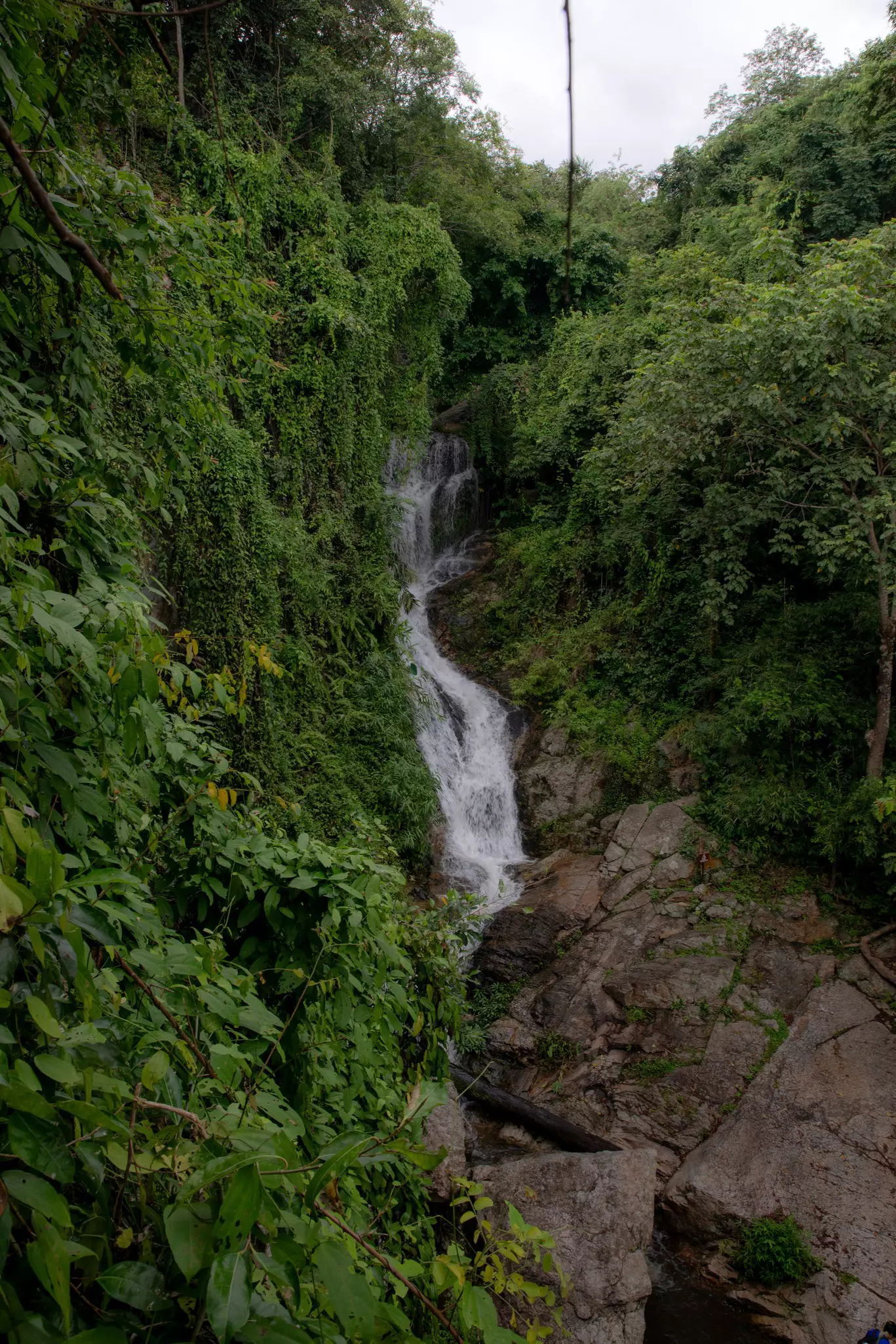
Weather in Chiang Mai in rainy season: In Northern Thailand, rain often arrives as swift, brief showers in the afternoon or evening, while temperatures hover around a high-humid 30°C (86°F). There are moments, though, when the sky wears a cloak of endless rainfall and gray clouds that can last for days.
Thailand’s rainy season tends to be less predictable than other monsoons in the region, yet with it comes a bloom of lush green scenery and moody afternoon skies that are a piece of art in their own right. During this time, Chiang Mai is a stunning greenscape of jungle forest, shimmering paddy fields and misty mountain peaks. Views from hillsides are nowhere near guaranteed, but a day or two in a bamboo hut homestay in Mae Wang or Chiang Dao offers hot coffee, relaxed vibes and natural local experiences at bargain prices.
Waterfalls are also their most impressive at this time, with the Nam Tok Bua Tong Waterfall (AKA the Sticky Waterfall) and Mae Sa Waterfall being two popular spots to splash around in. In recent years, authorities have taken more steps to monitor flash flooding, resulting in the odd unannounced closure to ensure the safety for visitors.
Each July, the Pai Jazz & Blues Festival takes over the hippie mountain town with a heavy schedule of outdoor performances that continue rain or shine.
- placement: fullWidth
- path: articles/bottom
- containerId: gpt-ad-215948553185
- possible size: [970, 250], [970, 90], [728, 90], [300, 250], [320, 50], [1, 1],
-
targeting:
{
  "url": "best-time-to-visit-chiang-mai",
  "destination": "Chiang-Mai",
  "title": "chiang-mai",
  "city": "Chiang-Mai",
  "region": "Southeast-Asia",
  "country": "Thailand",
  "continent": "Asia",
  "refresh": 30,
  "refresh_limit": 3
}