- placement: superzone
- path: articles/hero
- containerId: gpt-ad-293879358255
- possible size: [970, 250], [970, 90], [728, 90], [320, 50], [1, 1],
-
targeting:
{
  "url": "guide-to-zaragoza-spain",
  "destination": "Zaragoza",
  "title": "zaragoza",
  "city": "Zaragoza",
  "region": "Mediterranean-Europe",
  "country": "Spain",
  "continent": "Europe",
  "refresh": 30,
  "refresh_limit": 3
}
A guide to Zaragoza, Spain
Apr 6, 2026
10 MIN READ

Writer
Highlights
Writer Paula Hotti guides you through Zaragoza, Aragon's capital off the tourist trail.
Spring is ideal; book well ahead if visiting in October for the Fiestas del Pilar.
Visit the Aljafería Palace for Moorish design and the Basílica del Pilar for Goya's first frescoes.
Eat through El Tubo's tapas bars or graze the Mercado Central for Aragonese flavors.
Basílica de Nuestra Señora del Pilar rising above the River Ebro in Zaragoza, Spain. Eloi_Omella/Getty Images

Writer
Highlights
Writer Paula Hotti guides you through Zaragoza, Aragon's capital off the tourist trail.
Spring is ideal; book well ahead if visiting in October for the Fiestas del Pilar.
Visit the Aljafería Palace for Moorish design and the Basílica del Pilar for Goya's first frescoes.
Eat through El Tubo's tapas bars or graze the Mercado Central for Aragonese flavors.
Lonely Planet may earn a commission from affiliate links on our site. All recommendations and reviews reflect our own independent opinions.
Set midway between Madrid and Barcelona, the city of Zaragoza, Spain, overflows with history and culture, yet it offers a taste of Iberian culture off the main tourist trail. While it may not have Madrid’s grand scale or Barcelona’s beaches, the capital of Aragon more than makes up for it with intriguing UNESCO World Heritage sites, from ancient Roman ruins to exquisite Mudéjar architecture.
As the city where Francisco de Goya began his artistic journey, Zaragoza also offers a unique glimpse into the early career of one of Spain’s greatest painters, whose frescoes from the 1780s adorn the Basílica de Nuestra Señora del Pilar.
Beyond its artworks, museums and monuments, Zaragoza buzzes with tapas bars, food markets and bold Aragonese flavors, inviting visitors to slow down and savor the region’s culinary soul. Intrigued? Discover more with this guide to Zaragoza, covering the sights, getting there, the best times to visit and how much you are likely to spend when you get here.
- placement: inContentSidebar
- path: articles/in-content-top
- containerId: gpt-ad-348878760113
- possible size: [728, 90], [300, 250], [320, 50], [1, 1],
-
targeting:
{
  "url": "guide-to-zaragoza-spain",
  "destination": "Zaragoza",
  "title": "zaragoza",
  "city": "Zaragoza",
  "region": "Mediterranean-Europe",
  "country": "Spain",
  "continent": "Europe",
  "refresh": 30,
  "refresh_limit": 3
}
When should I go to Zaragoza?
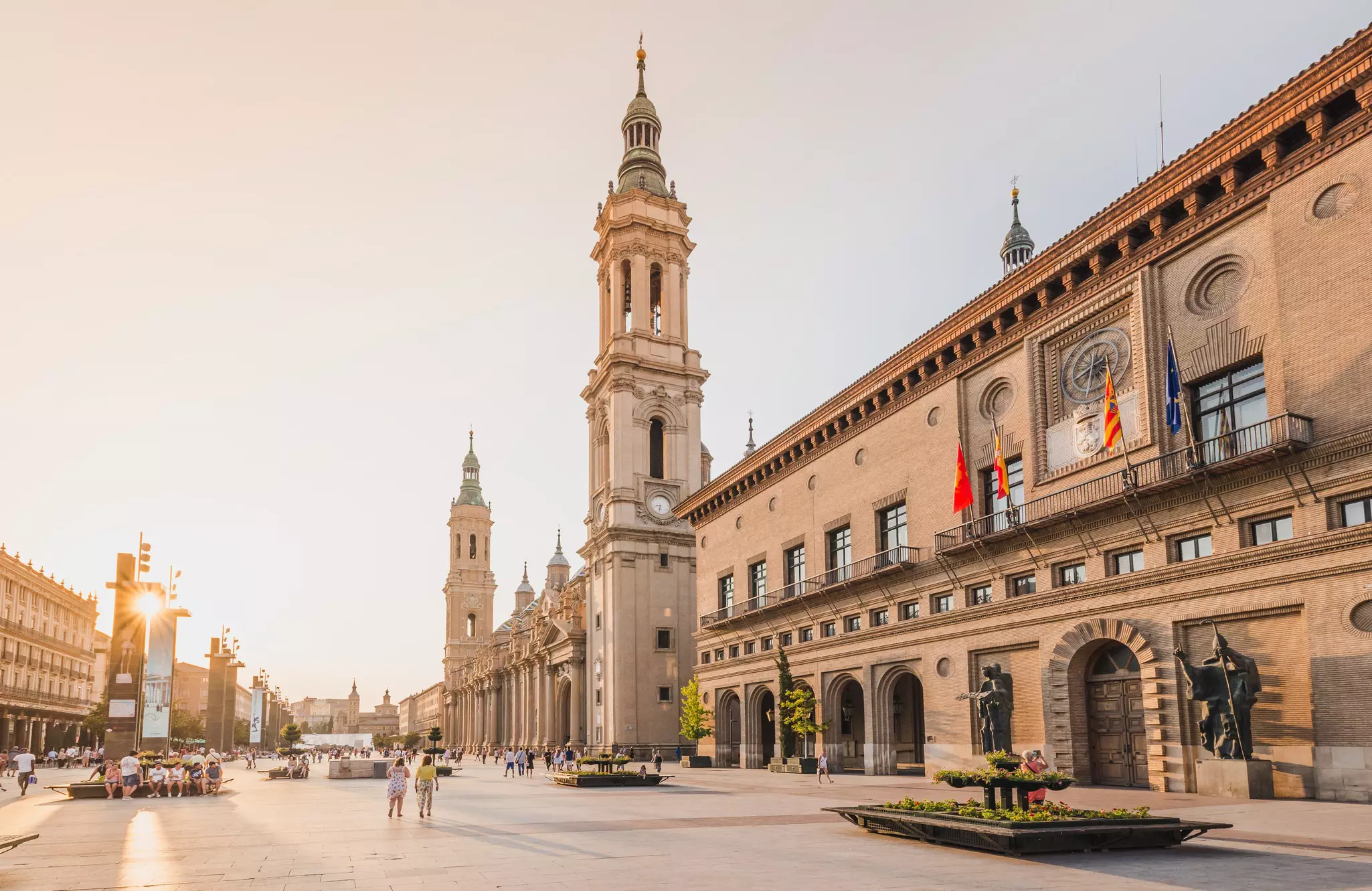
Perhaps the best time to visit Zaragoza is during the spring (March to May), when mild temperatures and fewer crowds make the city especially inviting. During Easter, parades take over the streets, and in April, locals celebrate Aragon’s patron saint, San Jorge (St George), on Día de San Jorge.
As spring rolls into summer, temperatures can soar up to 35°C (95°F). While the early afternoon is best spent enjoying a siesta, the city comes alive again at night with open-air dining and lively bars, so this is still a rewarding time to visit.
Autumn is perhaps Zaragoza’s most magical season, especially in October during the Fiestas del Pilar, a week-long celebration filled with music and parades honoring the Virgin Mary's first apparition. However, the festival also draws large crowds, driving up hotel prices and increasing demand for rooms, so book well ahead.
Winter (December to February) is the quietest season, ideal for museum visits and warming up with rich local dishes like chilindrón chicken stew or churros – doughnut-like batons dipped in a thick hot chocolate sauce. Beware the fierce cierzo wind that adds an extra chill at this time of year; bring warm layers.
How much time should I spend in Zaragoza?
If you're in a rush, 2 days will give you time to take in Zaragoza’s highlights, including the main museums, the Aljafería palace and fortress, the most important religious sites, and the city’s culinary heritage. However, if you can extend your stay by a day or two, you’ll have more time to take in the city's beautiful architectural details and green spaces. With a week to spare, combine time in the city with detours into the Aragonese countryside by rental car.
Is it easy to get into and around Zaragoza?
Zaragoza’s international airport is located 10km from the city center, and it receives flights from around Europe with Ryanair and other airlines. Bus line 505 departs from stop T and takes 30 minutes to reach the middle of the city (at the time of writing, the bus was stopping at Paseo María Agustín, 5, but check locally for updates). Ask for a single ticket, or billete sencillo – tickets can be bought online or from the driver and cost 4 euros (€). Taxis are also available right outside the exit, but they charge much more, and you'll have to pay an airport surcharge.
Another convenient way to arrive in Zaragoza is by train; services run regularly from cities such as Madrid or Barcelona, both about 1 hour and 20 minutes away. The central train station, Zaragoza-Delicias, is located 4km away from the city center and the old town. Taxis waiting outside the station are quicker and cheaper than taxis booked through ride-share apps, charging about €10 for the trip to the center. Alternatively, take the Cercanías Zaragoza train on line C1 to the city center. The journey takes under 10 minutes and costs €1.80.
Once you reach the center, the old town, home to many of the city’s most important sights and top foodie spots, is walkable. Use the Tranvía de Zaragoza tram, city buses, rideshares or taxis, or the Bizi bikeshare scheme.
- placement: inContentSidebar
- path: articles/in-content-middle
- containerId: gpt-ad-884810917503
- possible size: [728, 90], [300, 250], [320, 50], [1, 1],
-
targeting:
{
  "url": "guide-to-zaragoza-spain",
  "destination": "Zaragoza",
  "title": "zaragoza",
  "city": "Zaragoza",
  "region": "Mediterranean-Europe",
  "country": "Spain",
  "continent": "Europe",
  "refresh": 30,
  "refresh_limit": 3
}
Top things to do in Zaragoza
Zaragoza is known for its rich history, stunning architecture and mouthwatering Aragonese cuisine. From the Basílica del Pilar to the Moorish Aljafería Palace, the city’s cultural landmarks and lively tapas and bar scene offer a perfect blend of heritage and flavor. Here are the best things to do in Zaragoza, but note that many sights close briefly at lunchtime, and many shops close during the afternoon between around 2pm and 5pm (siesta time).
Explore the city’s Roman roots
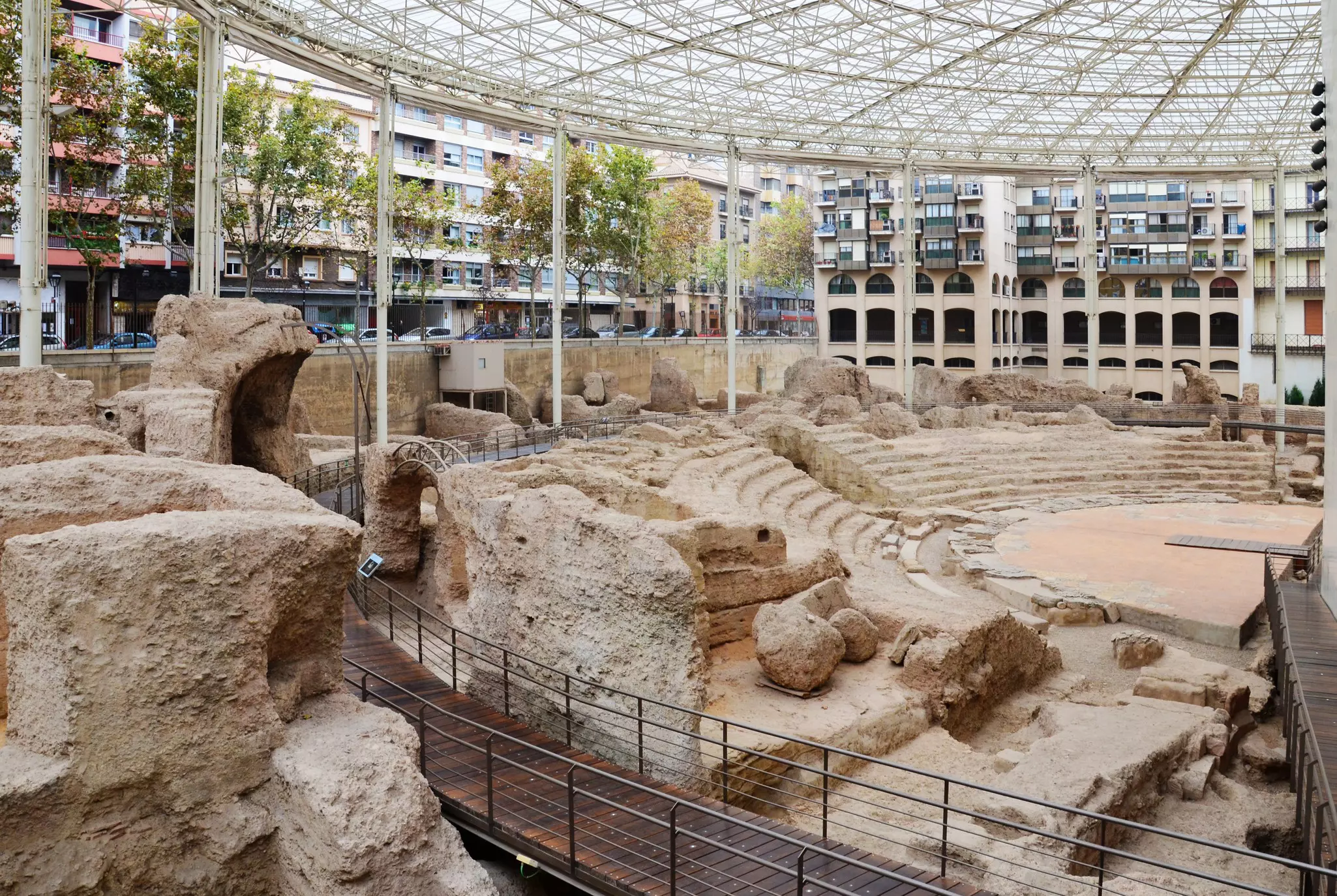
Among Zaragoza’s most compelling sights are its Roman ruins, which include the remains of a forum, baths and theater. Founded around 15 BCE as Colonia Caesaraugusta, following Emperor Augustus’s victory in the Cantabrian Wars, Zaragoza began to thrive in the 1st and 2nd centuries, and the city forum was located under what is today the La Seo Cathedral and Plaza del Pilar. Sections of ancient basements, foundations and water channels can be viewed in the Museo del Foro de Ceasaraugusta.
About a 5-minute walk from the forum is the compelling Museo del Teatro de Caesaraugusta, dedicated to the Roman theater that was uncovered here in 1972. The remains of the city's 6000-seat theater are visible under a metal canopy and the museum adds some useful background on Roman drama, the theater’s history and what happened to the site during post-Roman times.
Savor Aragonese flavors in Zaragoza's restaurants
Aragonese cuisine is traditionally full of strong flavors – cured ham, tasty cheese, chicken stews, salted cod, olives, wine and rich chocolates – and visitors won’t go hungry in Zaragoza. In winter, the traditional chicken stew known as pollo al chilindrón is especially comforting, while tapas dishes such as migas (bread crumbs with bits of ham and grapes), and albóndigas de bacalao (meatballs made of salted cod) keep snackers happy year-round.
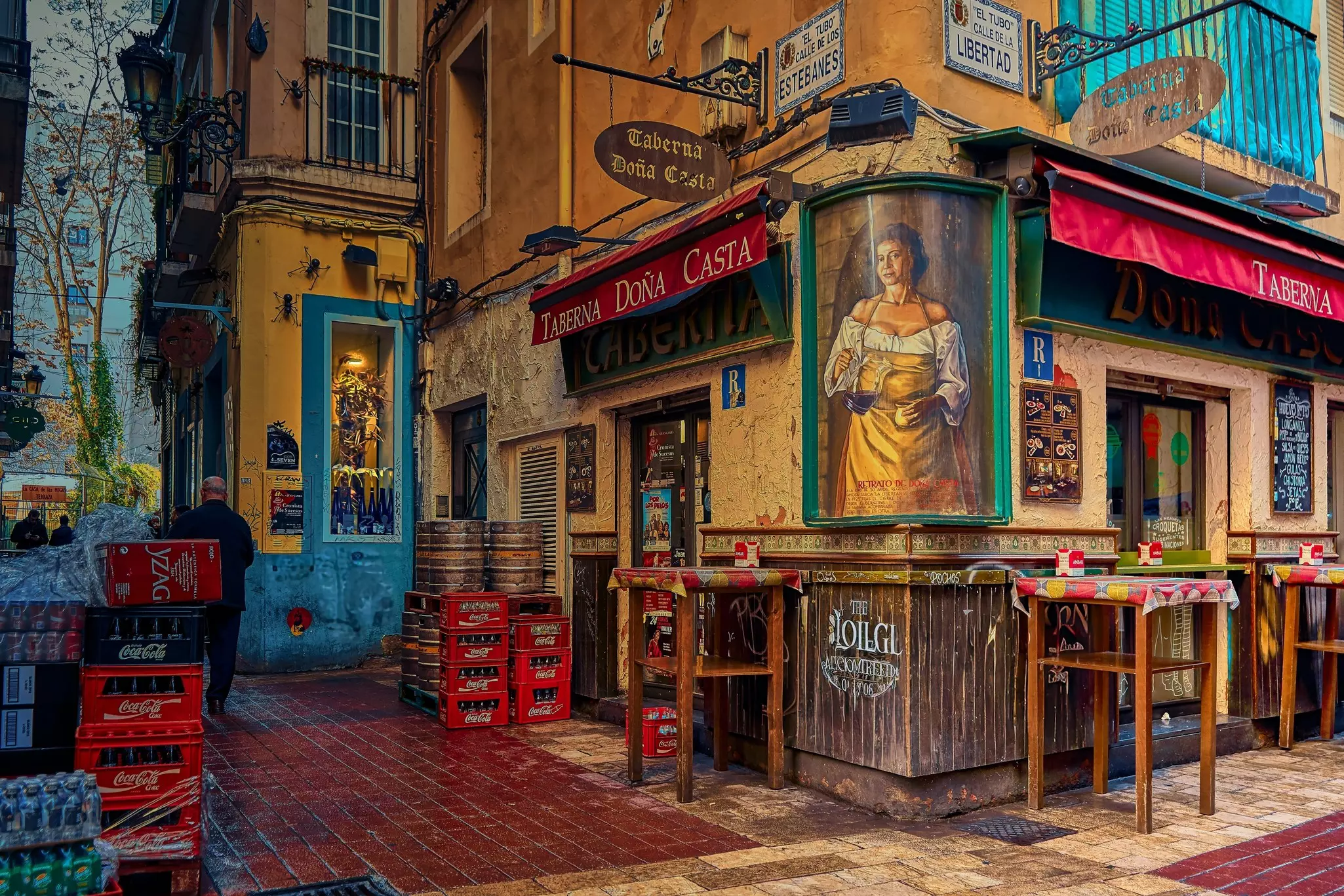
The buzzing El Tubo neighborhood is the epicenter of the city’s tapas bars and heaves with eaters and drinkers – bar hopping here is a popular pastime. For a similar kind of buzz without the party-oriented atmosphere, head to any of the city’s small plazas or the Mercado Central, opened in 1903 in Plaza de César Augusto. Zaragoza also has a rich history in chocolate making, and snacking in the city's traditional pastry shops is always a treat – as are the city’s churros. Note that many restaurants close in the afternoon between lunch and dinner; aim to stop for lunch before 3pm.
Visit Christian and Islamic architectural marvels
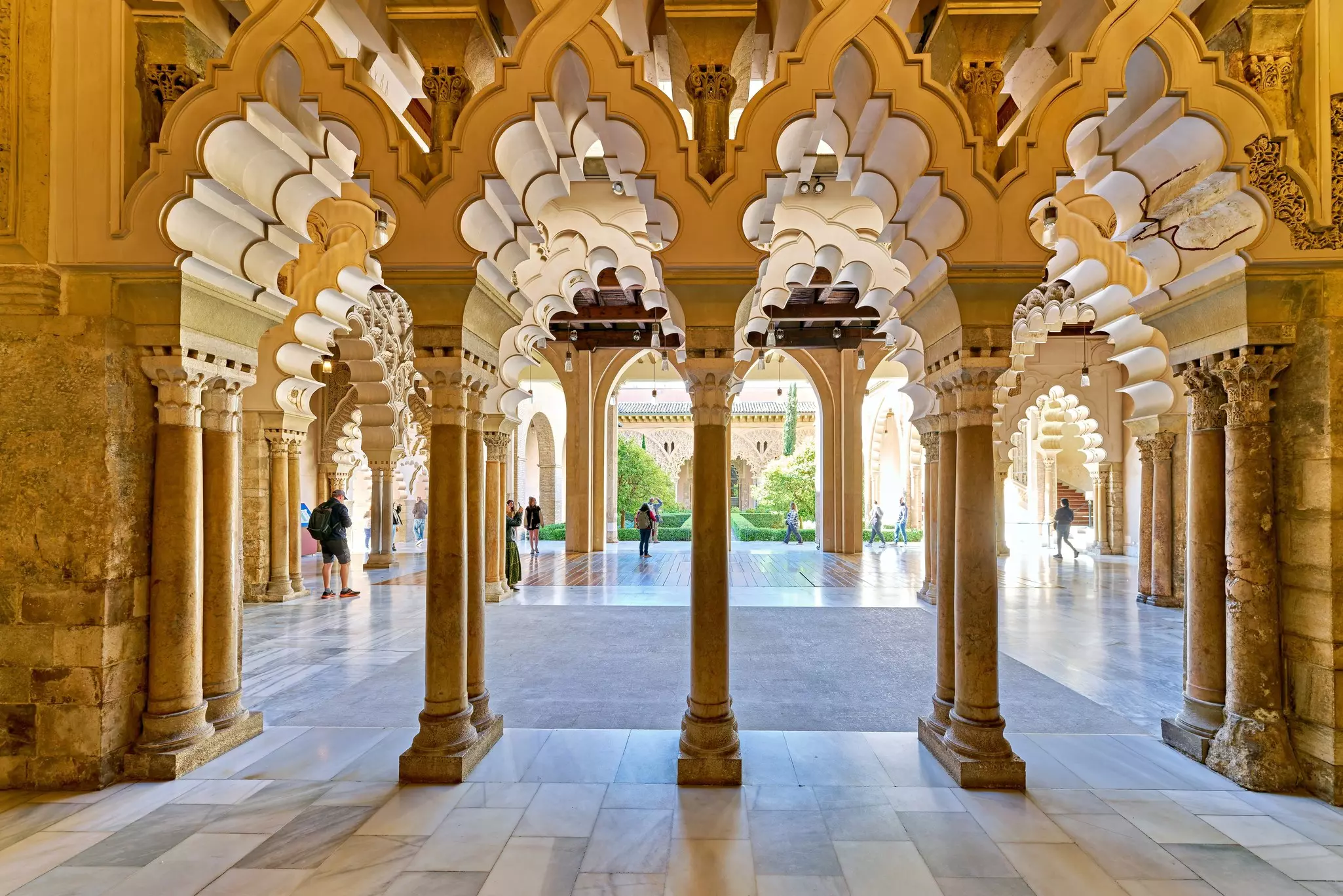
The Aljafería Palace is the most impressive surviving example of Spanish Islamic architecture from the era of the taifas – independent Muslim kingdoms that ruled the Iberian Peninsula after the collapse of the caliphate of Córdoba in 1031.
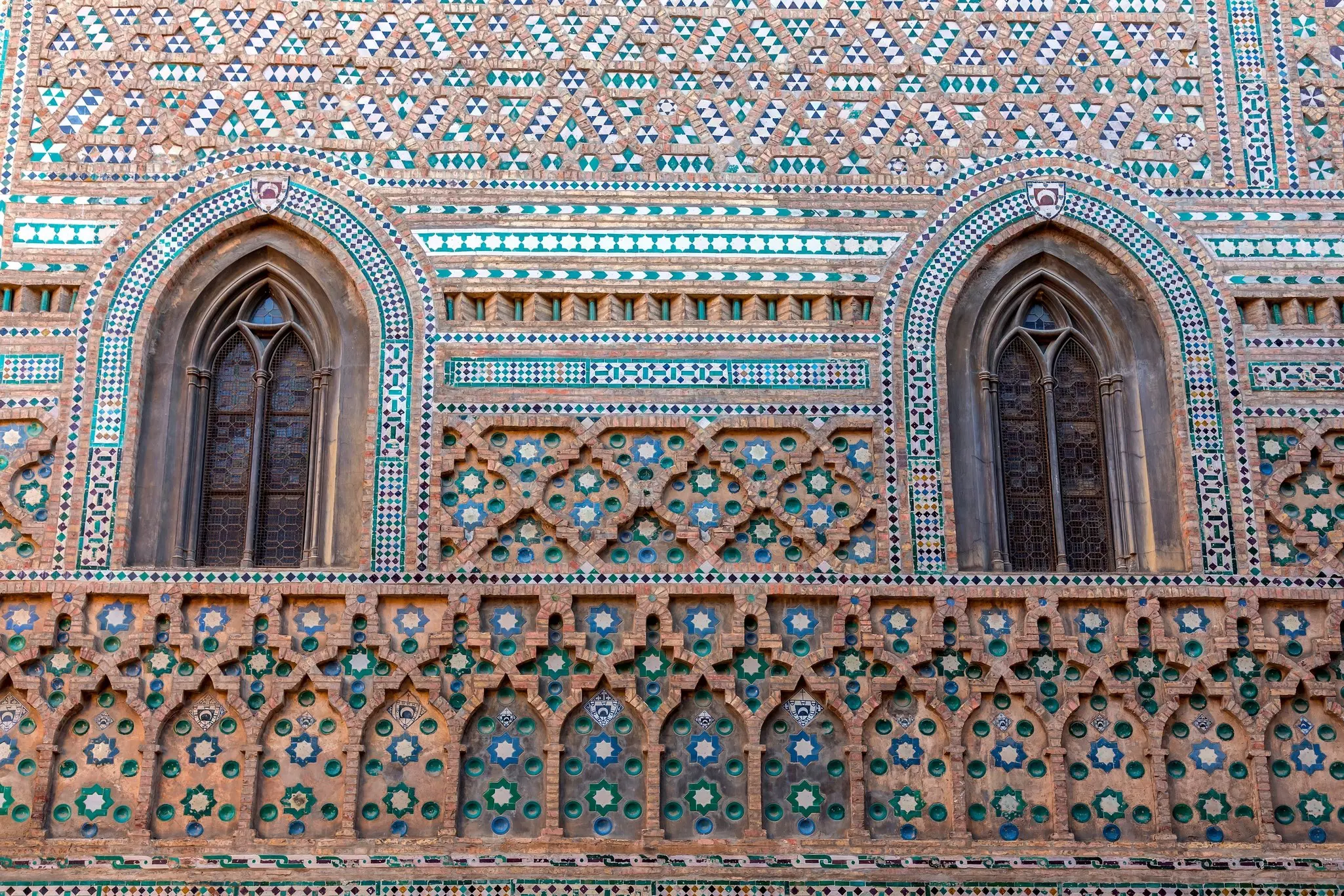
The castle-like palace was built in the late 11th century and it showcases intricate Moorish design within its fortified walls – preserved as part of the Mudéjar Architecture of Aragon World Heritage Site. Buy tickets online in advance and try to visit early in the morning to enjoy the palace at its most atmospheric, before the crowds gather.
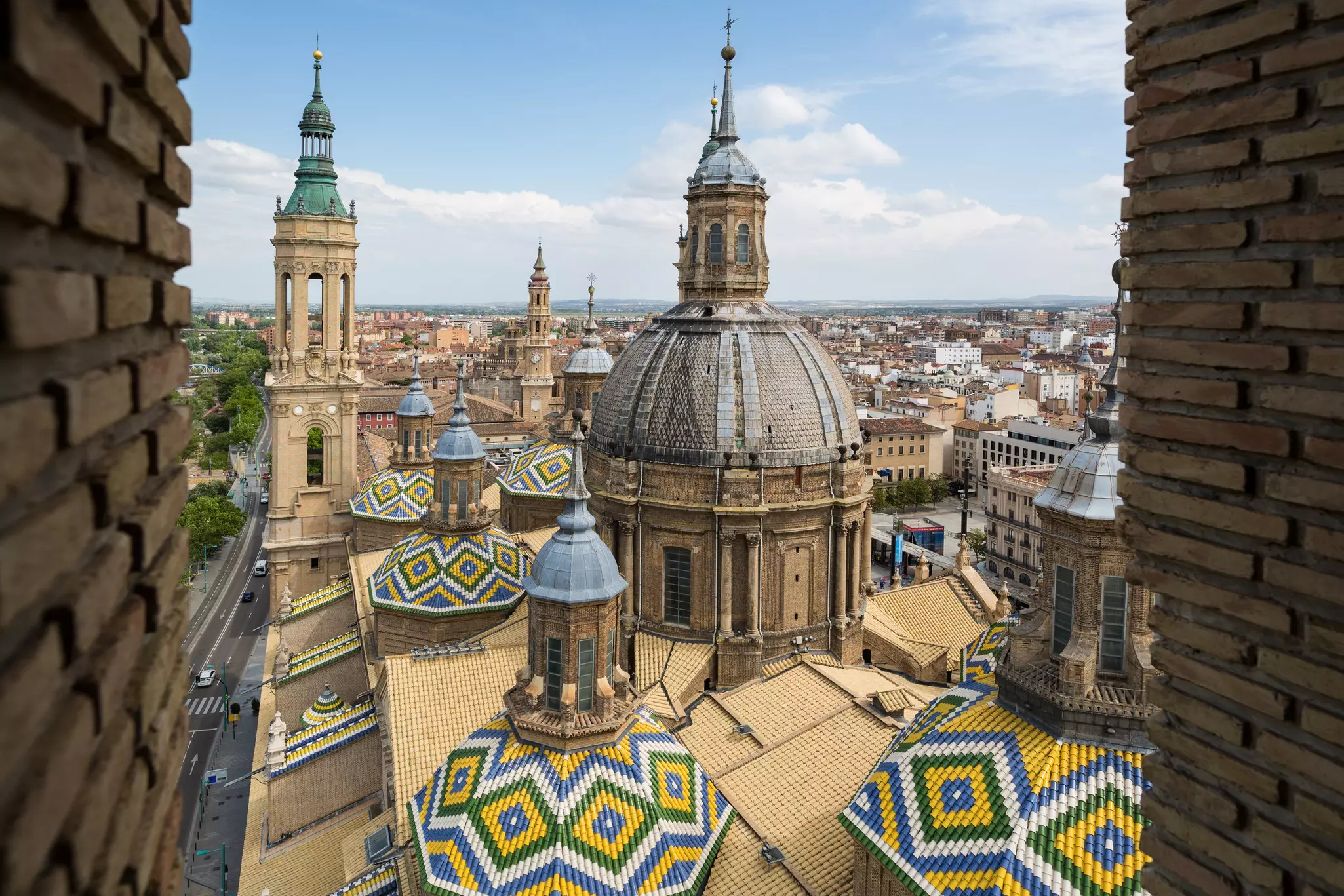
Equally striking is the baroque-style Basílica de Nuestra Señora del Pilar, built by Zaragoza's Catholic rulers between the 17th and 18th centuries. Take a lift and then climb the remaining 109 steps to reach the top of the bell tower for the best views over the old town. A single ticket covers the cathedral, tower and nearby La Seo Cathedral, along with several associated museums.
Mixing Romanesque, Gothic, Mudéjar, Renaissance and baroque styles, the La Seo Cathedral might be the true highlight of the city’s Christian architecture. Be sure to visit La Seo’s fabulous Museo de Tapices, which houses a collection of Flemish and French tapestries, possibly the finest collection of its kind in the world.
Let the city’s art impress
When visiting the Basílica de Nuestra Señora del Pilar, look up – high above, emblazoned on the ceiling, are the first frescoes painted by Francisco de Goya. One of them, Regina Martyrum (1780–1781), sparked a dispute between the young artist and a local clergyman, prompting Goya to leave Zaragoza for Madrid, where his bold style would be more appreciated.
Today, Zaragoza pays tribute to its most famous painter with the Museo Goya; although the museum is currently undergoing renovations and set to reopen in 2026, a selection of Goya’s pieces is temporarily on display at the Aljafería Palace.
- placement: native
- path: articles/in-content-native
- containerId: gpt-ad-803748901032
- possible size: [f, l],
-
targeting:
{
  "url": "guide-to-zaragoza-spain",
  "destination": "Zaragoza",
  "title": "zaragoza",
  "city": "Zaragoza",
  "region": "Mediterranean-Europe",
  "country": "Spain",
  "continent": "Europe",
  "refresh": 30,
  "refresh_limit": 3
}
Just next to the Basílica de Nuestra Señora del Pilar, you can visit La Lonja, a stunning Renaissance-style trading exchange dating from the 16th century, now transformed into one of Zaragoza’s most captivating exhibition halls.
Take a day trip from Zaragoza
On a longer stay in Zaragoza, consider taking a day trip to some of the sights and Mudéjar townships around Zaragoza by hire car or public transport. About 40km southeast of the city, Pueblo Viejo de Belchite is a ruined village, preserved as a memorial to the horrors of the Spanish Civil War following a devastating battle here in 1937.
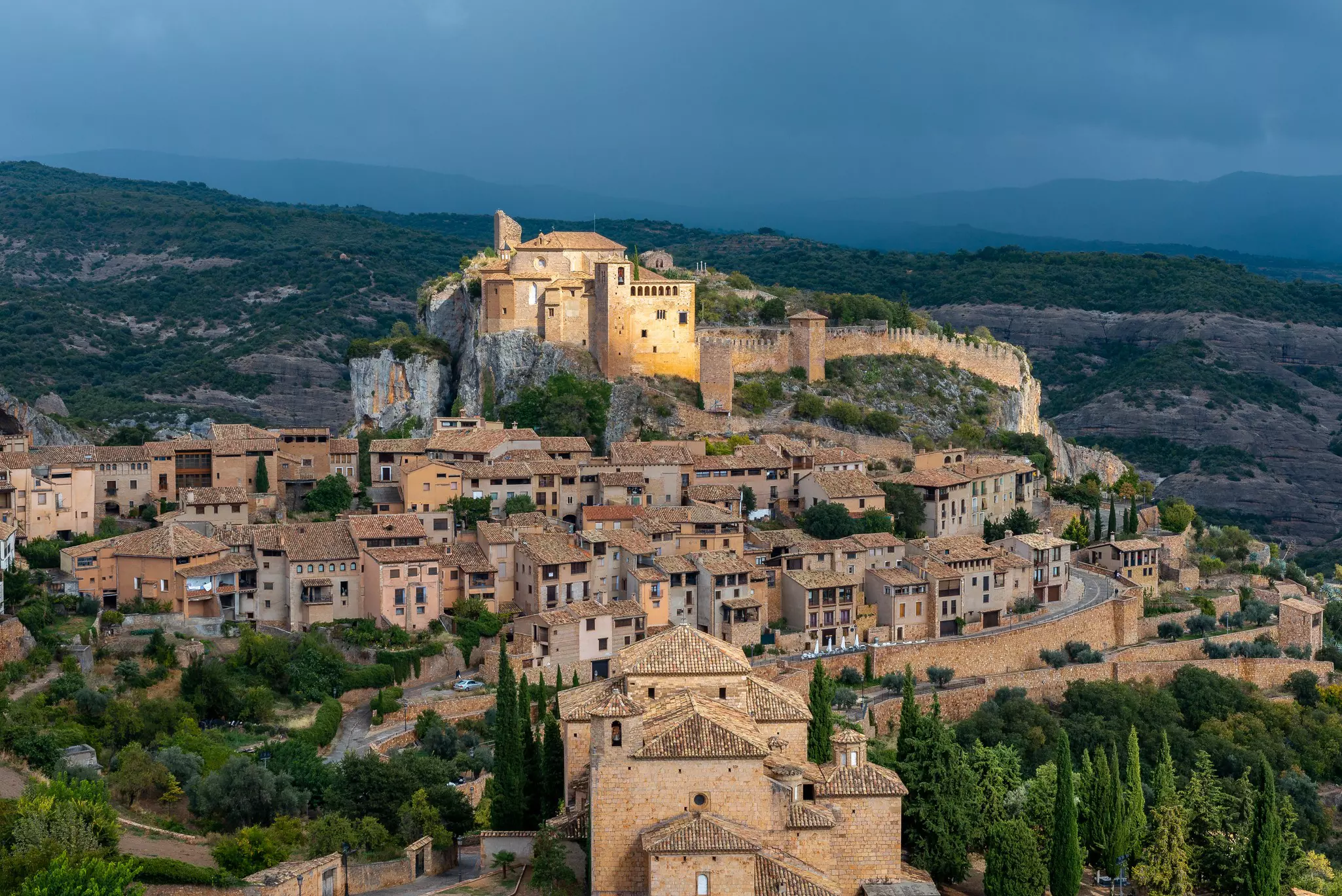
Southwest of Zaragoza near the historic Mudéjar town of Calatayud, the Monasterio de Piedra is a 13th-century Cistercian monastery, surrounded by a scenic natural park full of trees, caves and waterfalls. To the north, the ancient towns of Alquézar and Tarazona are also worth exploring for their rich history and mix of Christian and Islamic architecture.
My favorite thing to do in Zaragoza
I love the earthy brown tones of Zaragoza’s cityscape, beautifully complemented by its lush green spaces. In Parque Grande José Antonio Labordeta, the Mirador del Rincón de Goya offers sweeping views over the city. Another stunning viewpoint – especially at sunset – is the Puente de Piedra (Stone Bridge) in the city center, where the Basílica del Pilar rises along the banks of the River Ebro.
After watching the sun bathe the basilica in a golden glow, wander a few blocks down the alley from La Seo Cathedral and you’ll stumble upon charming plazas like San Pedro Nolasco and Plaza Santa Marta, where bars and restaurants buzz with locals enjoying the evening.
How much money do I need for Zaragoza?
Zaragoza is more budget-friendly than its neighbors, Madrid and Barcelona. A weekend in Zaragoza can be very affordable if you pick the right accommodation and meal stops – you can snatch a top-notch hotel for €120 per night, whereas a bed in a hostel dormitory will set you back less than €40. A budget of €100 per person per day will see you eating and sleeping comfortably. Here are some example costs.
Hotel room for two: €50–160
Bed in a hostel: €20–40
One tapas dish in a market hall or bar: €2–6
Main course in an upscale bistro: €20
Glass of wine: €3-4
Beer at a bar: €1.50-2.50
Breakfast in a cafe: €5.50–8.50
Taxi from the train station to the old town: around €10
E-bike rental for half a day: €20
What language should I speak in Zaragoza?
While English is widely spoken in Zaragoza, it's not used as widely as is Madrid or Barcelona, particularly in smaller, more traditional shops. A warm smile and a few key Spanish phrases, from por favor (please) to gracias (thank you), will go a long way.
What should I book ahead in Zaragoza?
As well as tickets to the Aljaferia and Basílica de Nuestra Señora del Pilar, book accommodation well ahead for the Fiestas del Pilar in October, and during school holidays. On arrival, buy a bus card from a kiosk or station ticket machine for discounted fares on the city's buses and trams.
- placement: fullWidth
- path: articles/bottom
- containerId: gpt-ad-648959903081
- possible size: [970, 250], [970, 90], [728, 90], [300, 250], [320, 50], [1, 1],
-
targeting:
{
  "url": "guide-to-zaragoza-spain",
  "destination": "Zaragoza",
  "title": "zaragoza",
  "city": "Zaragoza",
  "region": "Mediterranean-Europe",
  "country": "Spain",
  "continent": "Europe",
  "refresh": 30,
  "refresh_limit": 3
}