Apr 13, 20264 min read
Want to avoid the crowds at Machu Picchu? We have some ideas{
"url": "tristan-da-cunha-marine-park",
"refresh": 30,
"refresh_limit": 3
} Nov 18, 2020
2 MIN READ

Writer
Dublin
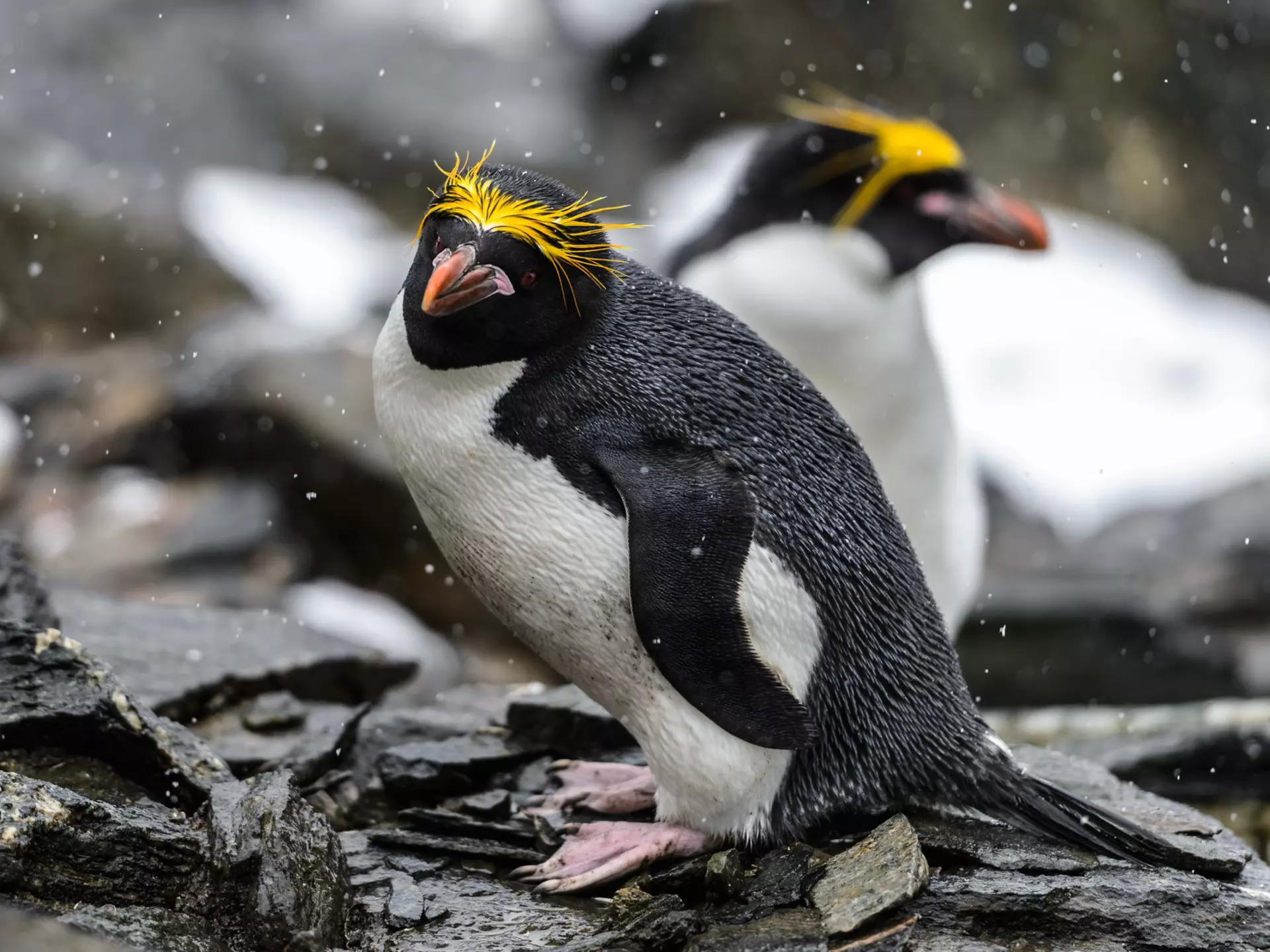
In a massive win for conservation, the tiny island of Tristan da Cunha is creating a marine protection zone that will make it the largest sanctuary in the Atlantic and the fourth-largest in the world.
{
  "url": "tristan-da-cunha-marine-park",
  "refresh": 30,
  "refresh_limit": 3
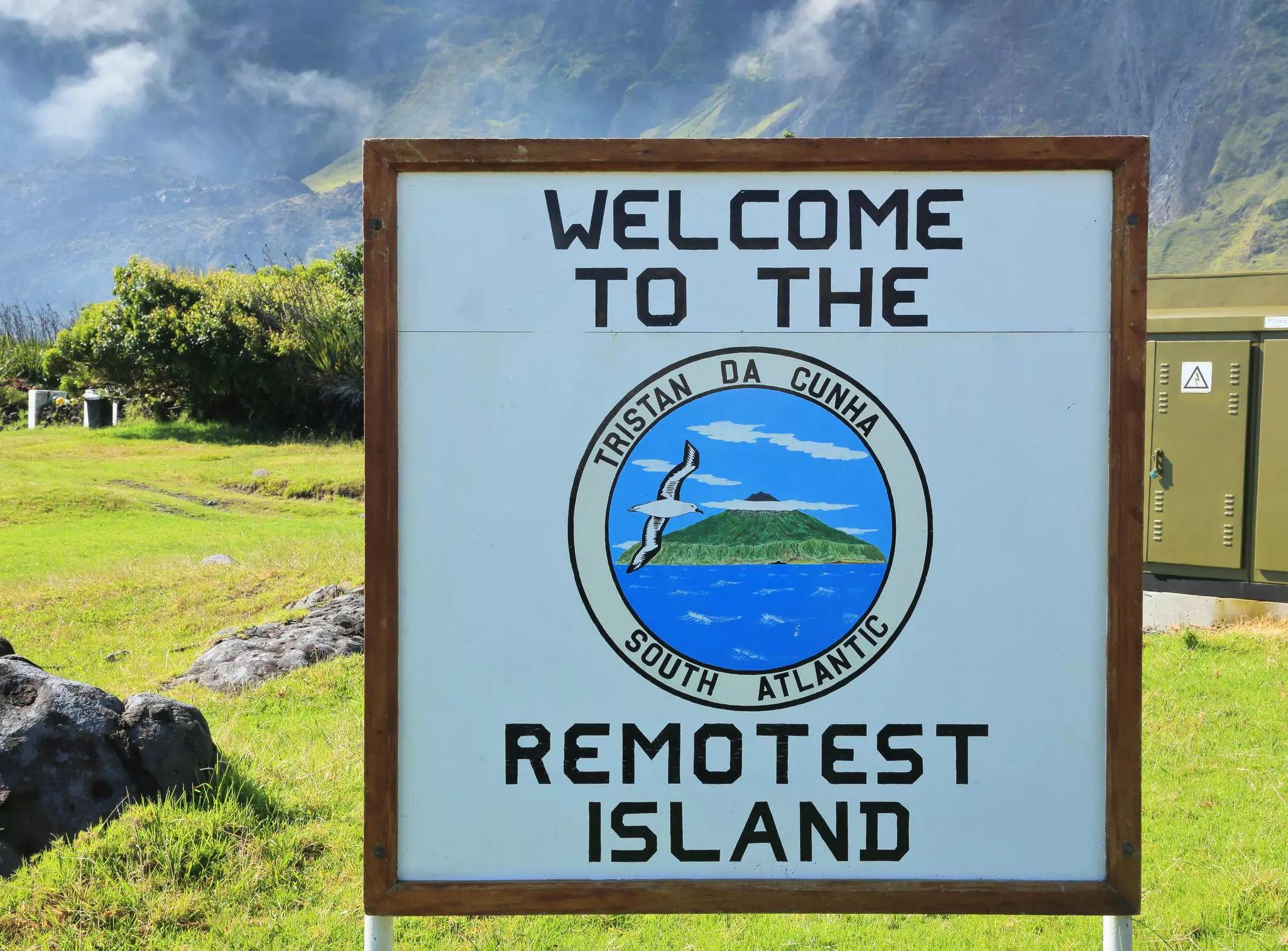
} Tristan da Cunha is a British Overseas Territory in the South Atlantic that's home to just 254 residents. It's the most remote inhabited island on Earth, but soon it will have another unique claim to make when it becomes the largest fully protected marine park in the Atlantic. The UK government announced that almost 700, 000 square km of the waters around Tristan da Cunha will become a marine protected area where bottom-trawling fishing, deep-sea mining and other harmful activities will be banned.
{
  "url": "tristan-da-cunha-marine-park",
  "refresh": 30,
  "refresh_limit": 3
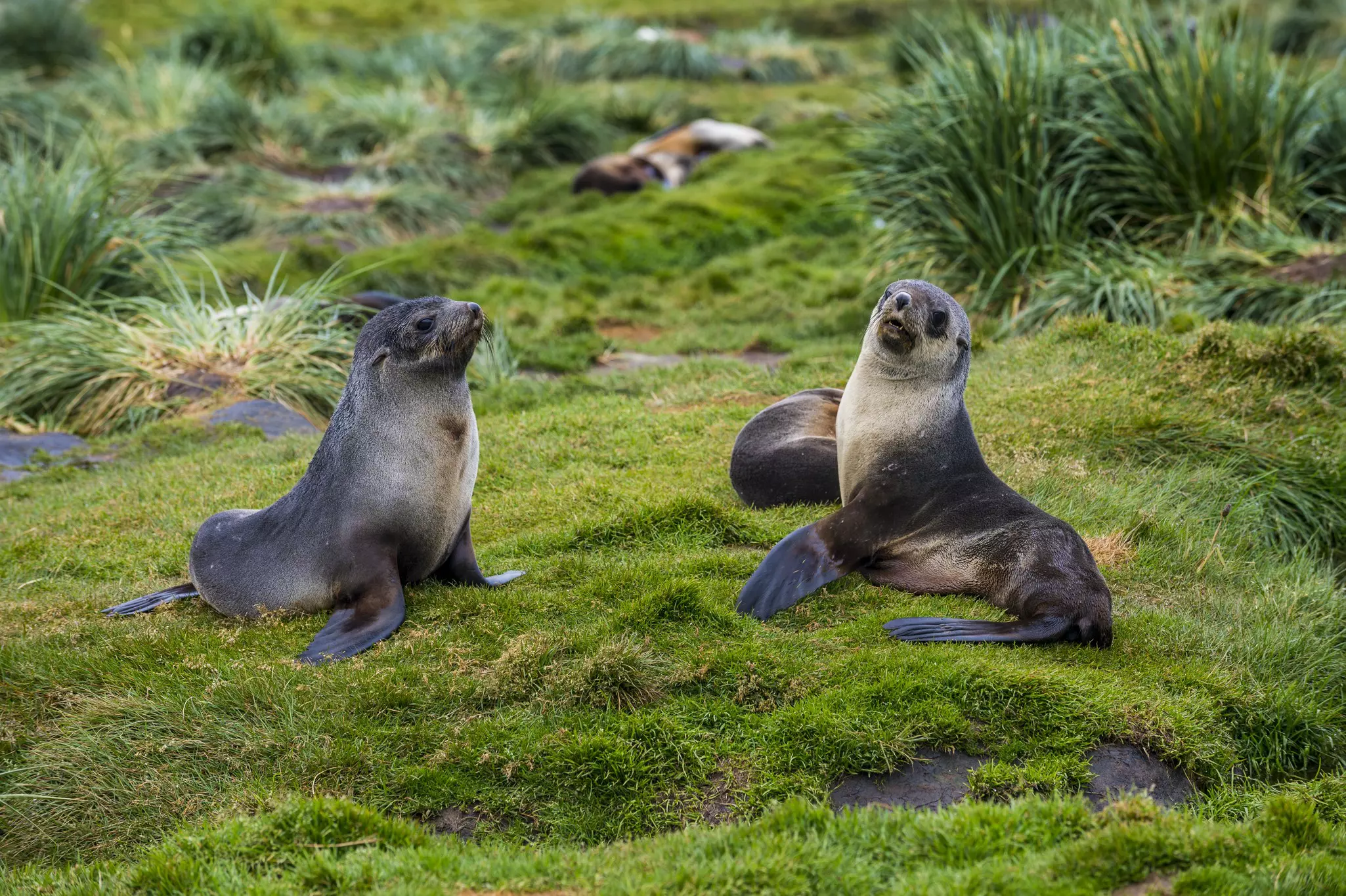
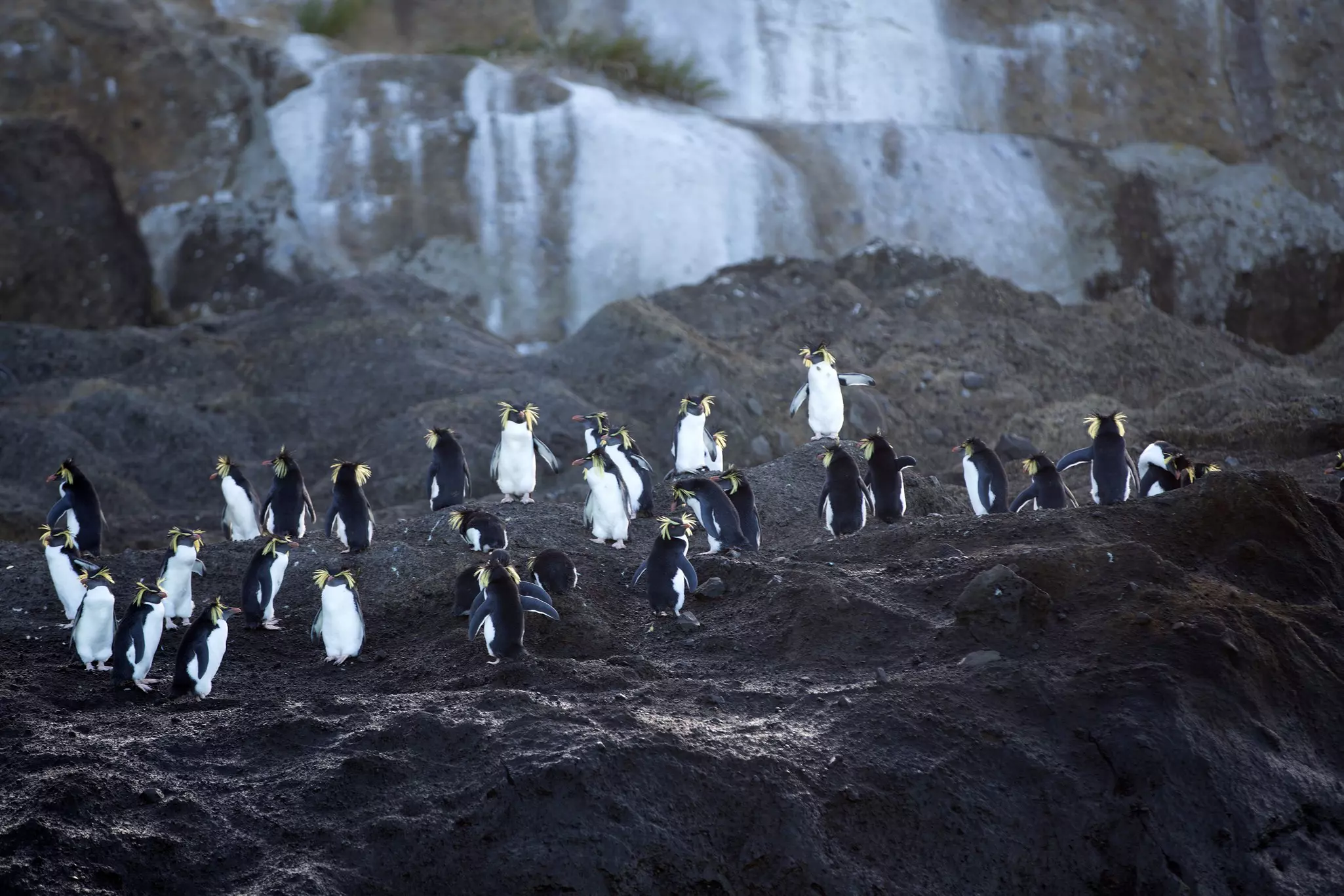
} The archipelago is home to many unique species including Southern right whales and their calves, the elusive shepherd's beak whale, sevengill sharks, the globally-threatened blue-nose albatross, and the Atlantic petrel, as well as 80% of the world's population of sub-Antarctic fur seals, and 90% of the world's population of Northern rockhopper penguins. Tens of millions of seabirds feed here too. The sanctuary will go a long way in safeguarding local and visiting wildlife and will help the UK reach its target of protecting 30% of the world's oceans by 2030 through its Blue Belt Programme.
“Our life on Tristan da Cunha has always been based around our relationship with the sea, and that continues today,” James Glass, the territory’s chief islander, said in a statement. “That’s why we’re fully protecting 90% of our waters, and we’re proud that we can play a key role in preserving the health of the oceans.”
{
  "url": "tristan-da-cunha-marine-park",
  "refresh": 30,
  "refresh_limit": 3
}
The isolated area is located about halfway between South Africa and Argentina. It is made up of four islands including Inaccessible Island, Nightingale Island, and the UNESCO World Heritage Site of Gough Island. Most of the islands' income is supported through sustainable rock lobster fishery.
The archipelago doesn't have an airport. The only way to travel there is by ship from Cape Town and visitors need prior approval from the Tristan da Cunha council.
You might also like:
Tristan da Cunha: a journey to the centre of the ocean Sustainable tourism, wildlife protection and Indigenous culture thrive in Australia's new marine park Record amount of plastic recovered from largest-ever ocean clean-up
{
  "url": "tristan-da-cunha-marine-park",
  "refresh": 30,
  "refresh_limit": 3
}