May 28, 202611 min read
8 of the best small islands to visit in Japan{
"url": "best-small-islands-to-visit-japan",
"destination": "Japan",
"title": "japan",
"country": "Japan",
"continent": "Asia",
"refresh": 30,
"refresh_limit": 3
} May 28, 2026
11 MIN READ
Contributors
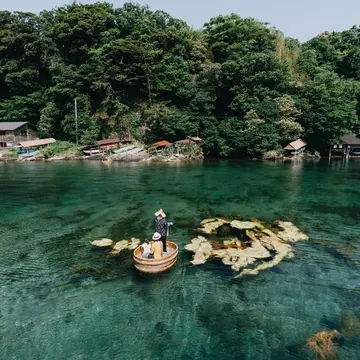
A traditional tub boat on the island of Sadoshima in Japan. GettyImages-1034995634.jpg

Contributors


Kathryn Wortley, Lonely Planet Editors
Lonely Planet may earn a commission from affiliate links on our site. All recommendations and reviews reflect our own independent opinions.
Japan is famed for its futuristic megacities and historical grandeur, from the ancient temples of Kyoto to the towering skyscrapers and neon lights of Tokyo. But there's much more to see beyond the main islands of Honshū, Hokkaidō, Kyūshū and Shikoku.
From wildlife-filled Amami Ōshima to arty Inujima, the best small islands in Japan offer a taste of Japanese culture away from the tourist crowds. You'll find islands of astounding natural beauty, havens for local customs, and new ways to immerse yourself in the scenery as you explore this fascinating archipelago of 14,125 islands and islets.
Some island escapes can be reached via ferries and flights from major Japanese cities, while others are linked by bridges to larger islands or connected by local boat services, but all lie within easy reach of travelers looking for an authentic experience of Japan. Just remember to make ferry reservations ahead if you visit during busy periods such as Golden Week in April/May.
To start you off on an island-hopping adventure, here is our pick of the best small islands in Japan.
{
  "url": "best-small-islands-to-visit-japan",
  "destination": "Japan",
  "title": "japan",
  "country": "Japan",
  "continent": "Asia",
  "refresh": 30,
  "refresh_limit": 3
} Best island for mixing nature and culture
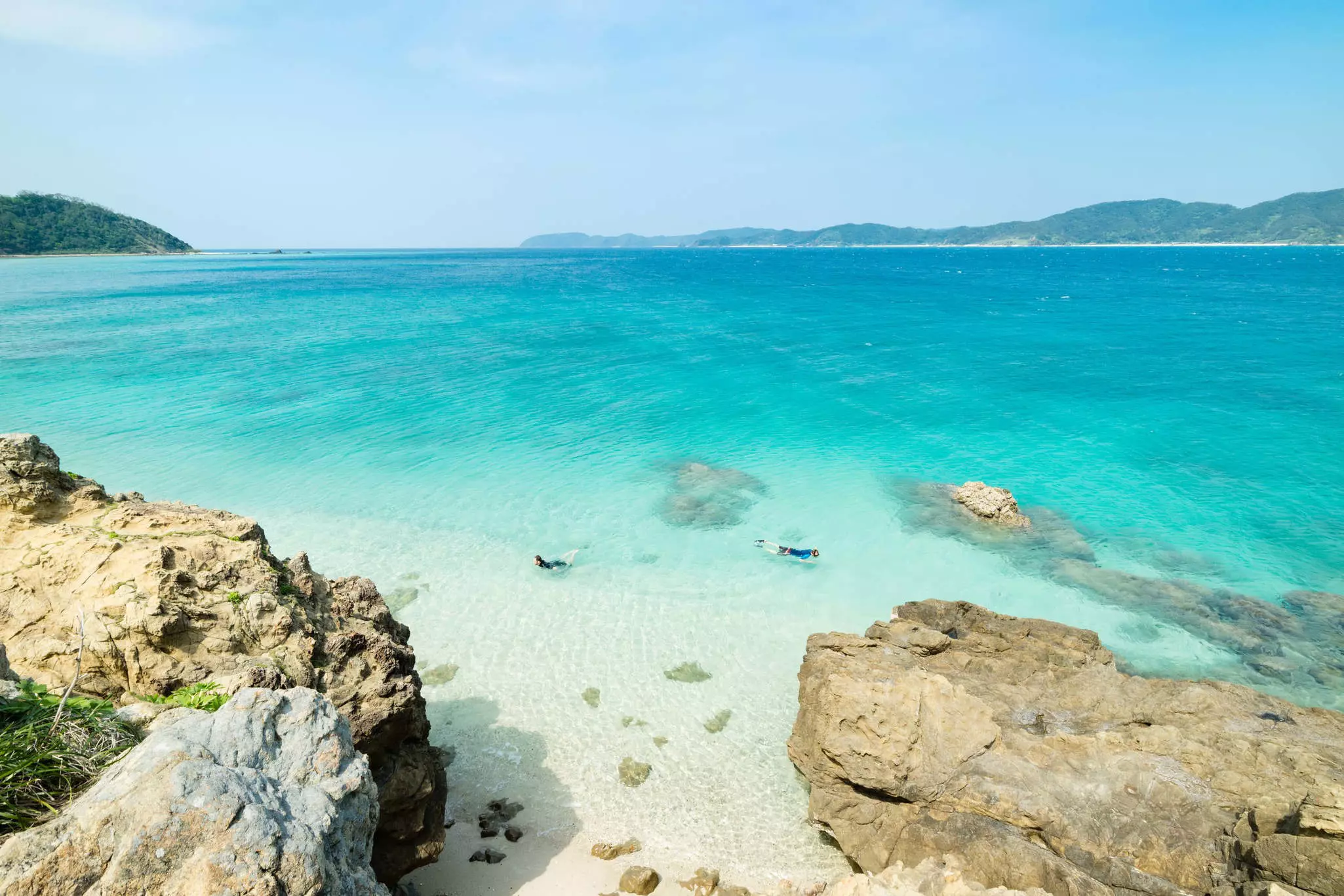
Halfway between Kyūshū and Okinawa, the island of Amami Ōshima preserves rich biodiversity, unique natural environments and distinctive island culture, thanks partly to its remote location. Amami Ōshima and its neighboring isles are recognized as a UNESCO World Natural Heritage site because of their unique flora and fauna.
Meet the wildlife on a night safari with a certified eco-guide in Kinsakubaru Virgin Forest, home to endemic and endangered species such as the Amami rabbit and Ishikawa’s frog. For a more active option, kayak the fringing mangroves, which provide a home for the barred mudskipper – an evolutionary stepping stone between fish and amphibians – and the black heron. The island also boasts white-sand beaches and emerald seas teeming with fish and corals; head to Ōhama Seaside Park for swimming, snorkeling and surfing.
If you're drawn by culture, Amami Park provides an interesting introduction to local history and folk art. The production of tsumugi, a kind of silk dyed with iron-rich mud and woven with intricate patterns, is particularly renowned. At Ōshima Tsumugi Mura, you can observe dyeing and weaving on a traditional loom or try wearing a tsumugi kimono.
Must-try local foods include Amami kukutō, a form of brown sugar boiled down from sugarcane juice, and keihan, a rice-based dish dating back 400 years. To make keihan, strips of chicken, egg, shiitake mushrooms, papaya and citrus zest are added to the rice before it is covered and cooked in a chicken broth.
Planning tip: Reach Amami Ōshima on the ferry between Kagoshima on Kyūshū and Naha on Okinawa. The island is also a handy base for exploring the nearby islands of Kikaijima and Kakeroma, which offer more nature and intriguing cultural encounters.
Best island for space travel (and yoga)
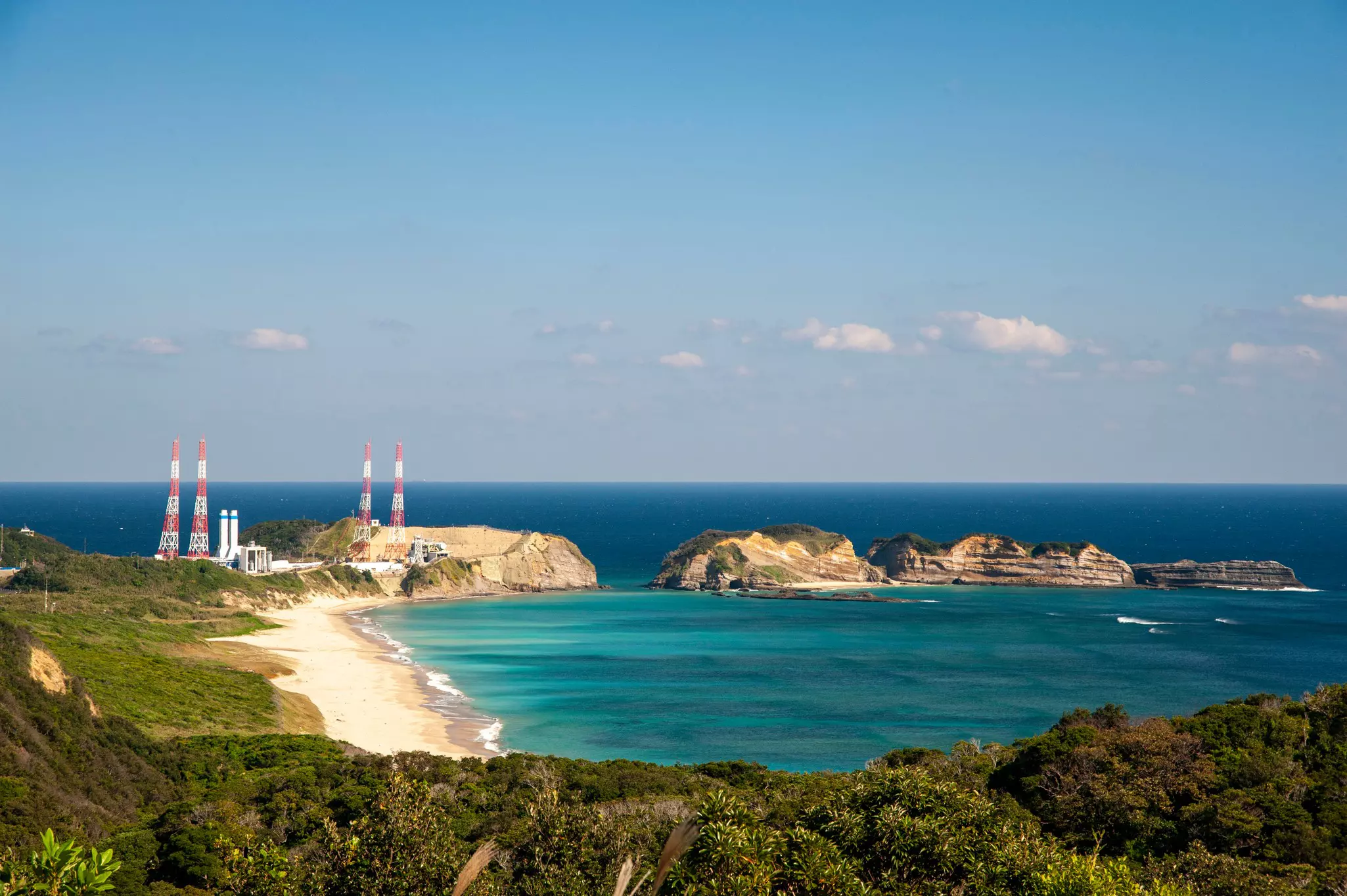
Situated 43km off the southern coast of Kagoshima Prefecture and accessible via a thrilling jetfoil ferry trip from Kagoshima city, Tanegashima is home to the Tanegashima Space Center. Run by the Japan Aerospace Exploration Agency (JAXA), this is an important departure point for rockets carrying satellites into space, and the primary site for observing rocket launches in Japan.
JAXA’s research and development site includes facilities for assembling, maintaining, inspecting and launching satellites, as well as a general control building. Join a free tour to learn about space development and gain a bird’s-eye view of the surrounding sandy beaches and ocean. The onsite JAXA Space Science and Technology Museum introduces cutting-edge innovations.
For something more down to earth, yoga lovers can practice their asanas in Nishinoomote, the only Japanese city recognized as a Sacred Place of Yoga. The abundant nature of the area is believed to enhance the mental and physical benefits of yoga; Urada Beach and Amamegakura Park are recommended spots for dawn yoga practice, while Route 378, which runs along the western coast, is popular at sunset.
Planning tip: Tours of the space center are by reservation only. Note that bookings are not possible in July, August or the series of public holidays in May, nor on scheduled rocket launch days, though visitors can still observe launches.
Best island for hiking in nature
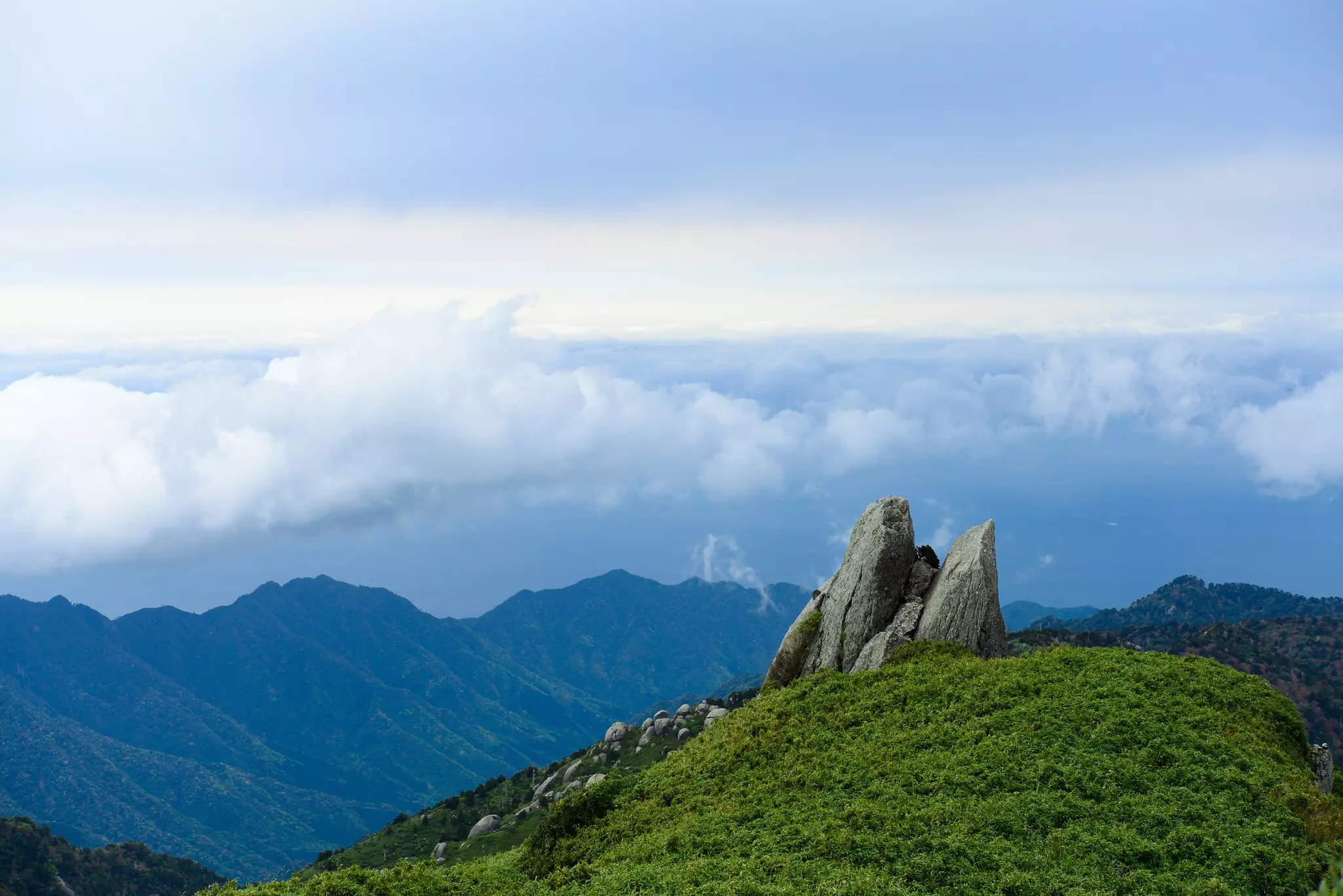
Tanegashima’s close neighbor, Yakushima is a circular island whose terrain rises from a lush coastline to the tallest peak in Kyūshū, 1936m Miyanoura-dake. The island is home to more than 70% of all the plant species found in Japan, with subtropical flora in the plains and subalpine plants in the central highlands. Needless to say, walking in nature is a major lure.
{
  "url": "best-small-islands-to-visit-japan",
  "destination": "Japan",
  "title": "japan",
  "country": "Japan",
  "continent": "Asia",
  "refresh": 30,
  "refresh_limit": 3
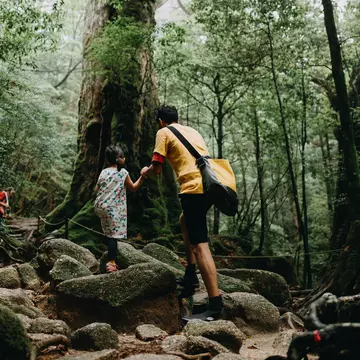
} Join an eco-tour for an introduction to some of the island's 1900 plant species. Around 90% of Yakushima is covered by cedar forests, and some trees are more than 1000 years old. The oldest tree, known as Jomon Sugi, is said to be 7000 years old, and it can be reached by a 22km round-trip hike.
There are easier options, too. The Yakusugi Land nature park offers trails of varying difficulty, as well as forest bathing tours that involve meditation stops in the forest. Other highlights include the roaring waterfalls of Okonotaki and Senpironotaki, and sightings of wild sika deer and Japanese macaques in the forest.
Planning tip: Like Tanegashima, Yakushima is accessible via high-speed jetfoil ferries from Kagoshima. Join a tour on Nagata Inaka Beach from July to September to witness sea turtles hatching and making their way to the sea.
Best island for water sports and hot springs
Technically, the island of Shikine-jima is part of Tokyo, despite being more than 100km south of the metropolis, and it offers an enticing escape from the urban sprawl. Accessible on the Tokai Kisen ferry, this laid-back island is loved for its beautiful coastline; climb to the Kanbiki Observation Deck for views of the rocky coast and nearby islands, as well as Mt Fuji and the Izu Peninsula on a clear day.
For snorkeling and diving, Nakanoura Beach is a good option. Oura Beach features a campsite and is a popular spot to watch the sunset. Tomari Beach is set in a sheltered bay, providing calm waters for swimming, and it’s possible to rent parasols and inflatables in summer.
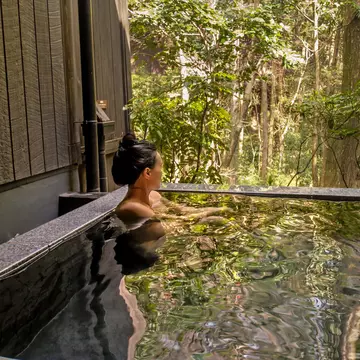
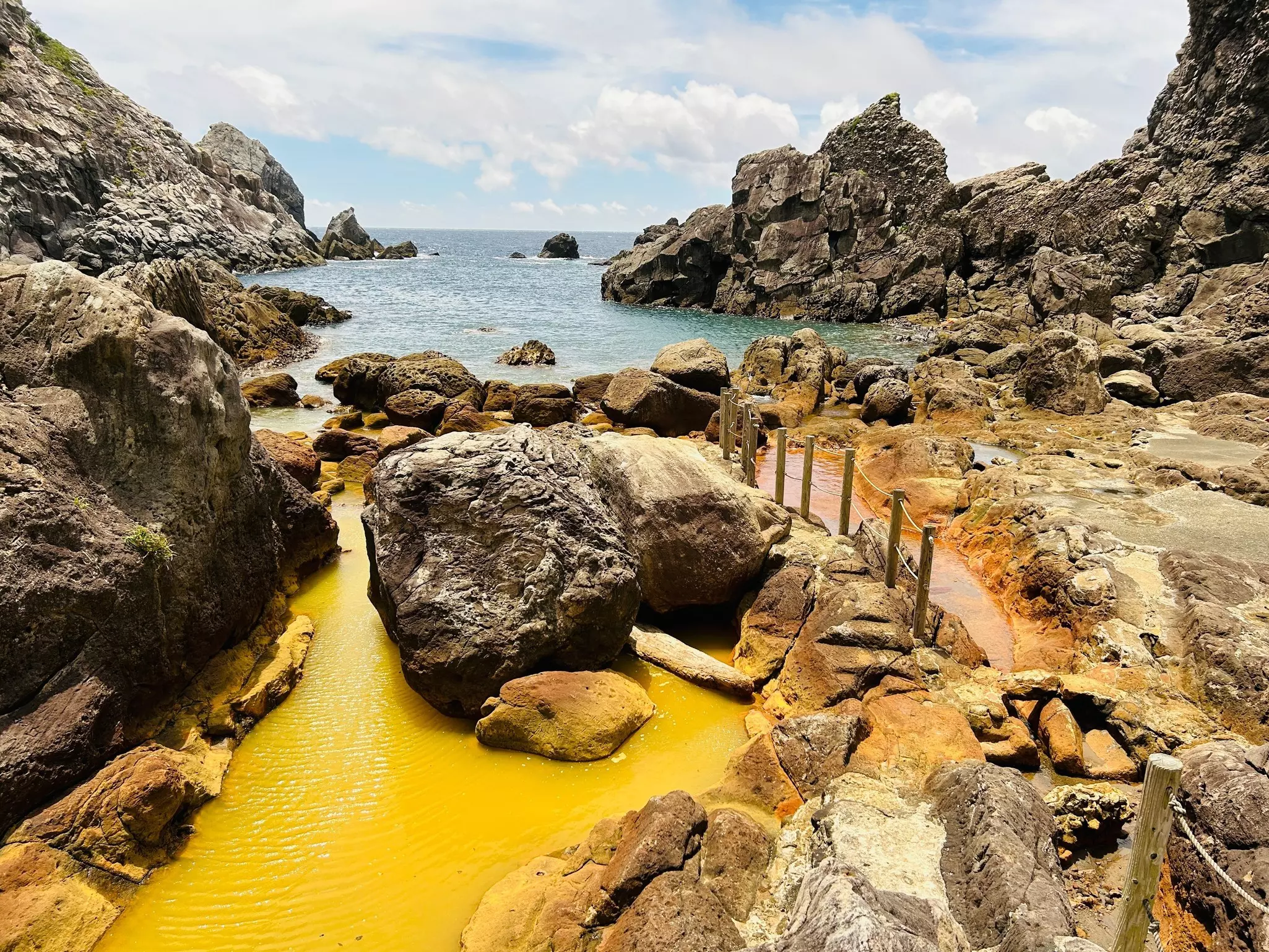
The geothermally active southern end of the island boasts several outdoor onsen that change temperature with the tides. All the pools are mixed gender, so people tend to bathe in swimsuits. Matsugashita Miyabi, a series of iron-rich pools overlooking a quaint harbor, has changing rooms and easy access. A more adventurous option is Jinata Onsen, a minimally developed spot with spectacular sea views that can be reached via a steep and narrow path.
Planning tip: Hire a bicycle to get around Shikine-jima; numerous local shops offer hourly or daily rentals. If you explore the beaches, be cautious of any bubbling pools – these contain scalding water and are especially common at low tide, so check the tide schedules.
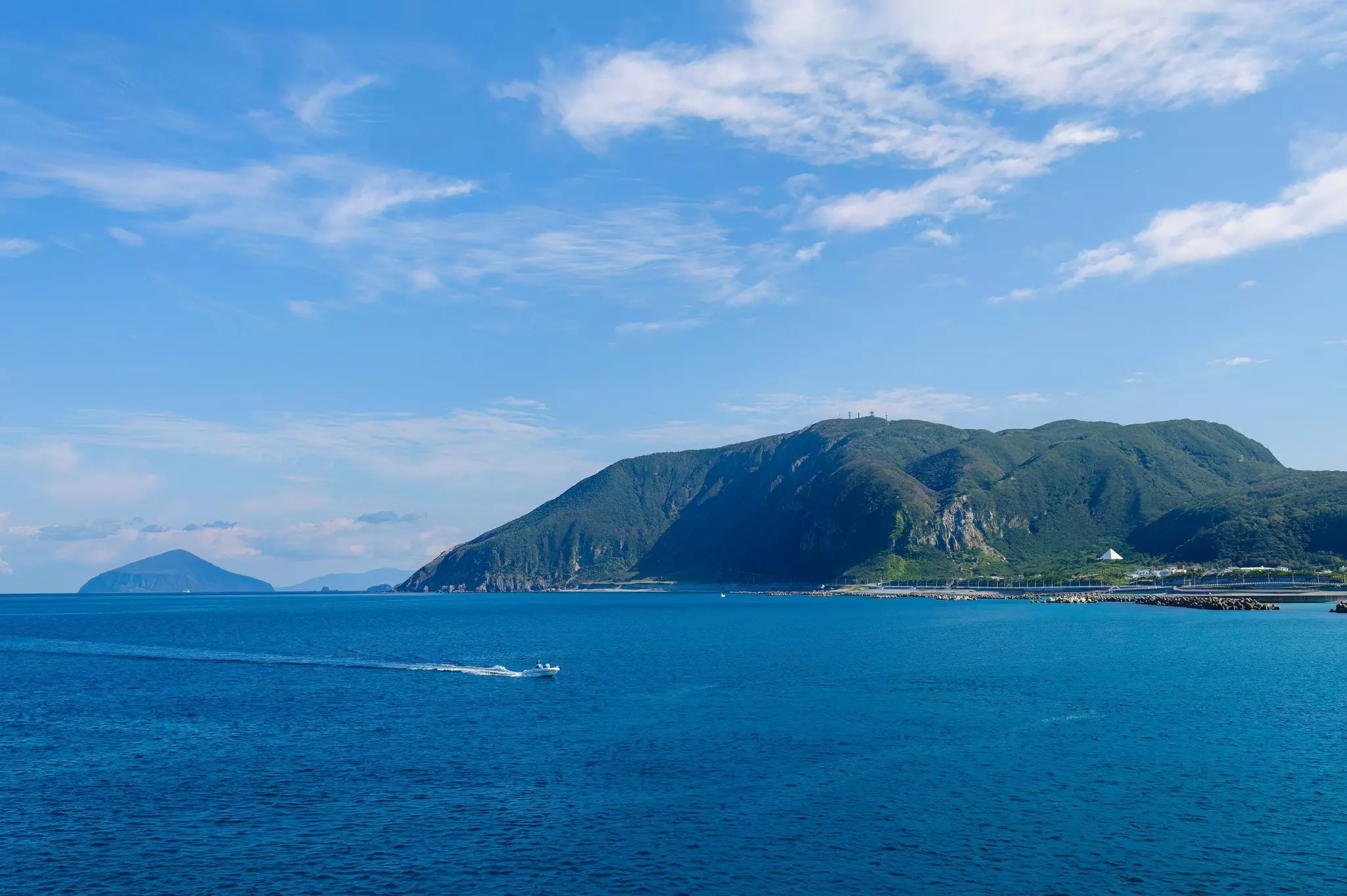
Best island for stargazing and dolphin spotting
North of Shikine-jima (and part of the same archipelago), Toshima is far from major sources of light pollution, making it ideal for stargazing. On the lawns of Minamigayama Park on the southern hillside of Miyatsuka-san, the sky is dark enough to view the Milky Way.
Daytime activities are centered around the local pod of dolphins. Join a boat tour to watch them play or go for a swim between March and November and see if they swim in to investigate you (but remember to respect their space and avoid making physical contact).
From January to March, the island is transformed as swathes of pink and red flowers bloom on the 200,000 camellia trees that fill its mountain terraces. The island has been one of Japan’s largest producers of camellia oil, which is popular for moisturizing skin and hair, since the Heian period (794–1185 CE), and lots of camellia-based beauty products are sold on the island.
Planning tip: Many of Toshima's minshuku (Japanese-style B&Bs) offer ad hoc tours to see the dolphins or gaze at the stars; ask your host to see what they can arrange.
{
  "url": "best-small-islands-to-visit-japan",
  "destination": "Japan",
  "title": "japan",
  "country": "Japan",
  "continent": "Asia",
  "refresh": 30,
  "refresh_limit": 3
} Best island for appreciating art
As one of the venues for the Setouchi Triennale, a contemporary art festival held every 3 years, the former copper processing hub of Inujima near Okayayma city presents iconic architecture and art at every turn, without the crowds found on Japan’s more famous “art islands.”
With only about 100 residents, Inujima has a slow and easy vibe, and it can be easily reached via a 10-minute ferry ride from the city of Okayama. Measuring only 3km across, this small isle can be explored entirely on foot, making it a great day trip destination.
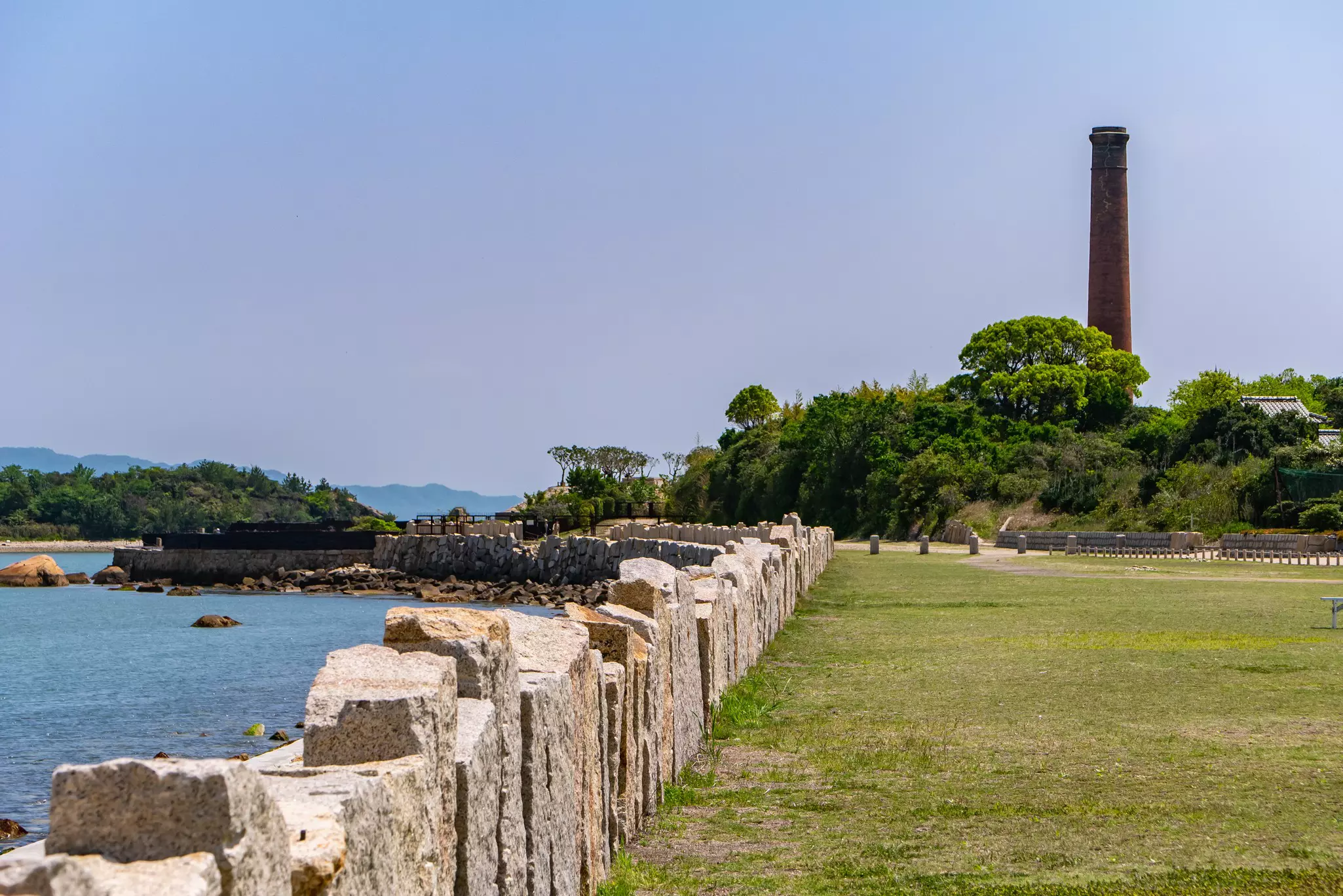
The focal point for visitors is Seirensho Art Museum, which has been tastefully built in and around a former copper refinery that played a critical role in the industrialization of Japan. Many of the exhibits are underground and use physical features such as water pools and suspended wooden structures to convey abstract ideas.
Planning tip: Be sure to explore the grounds of the Seirensho Art Museum, which are dotted with the brick ruins of former processing plants and offer pleasing views of neighboring islands. Bring refreshments from Okayama, as dining and shopping options on Inujima are limited – also note that many island attractions close during the low season from December to March.
Best island for history and music
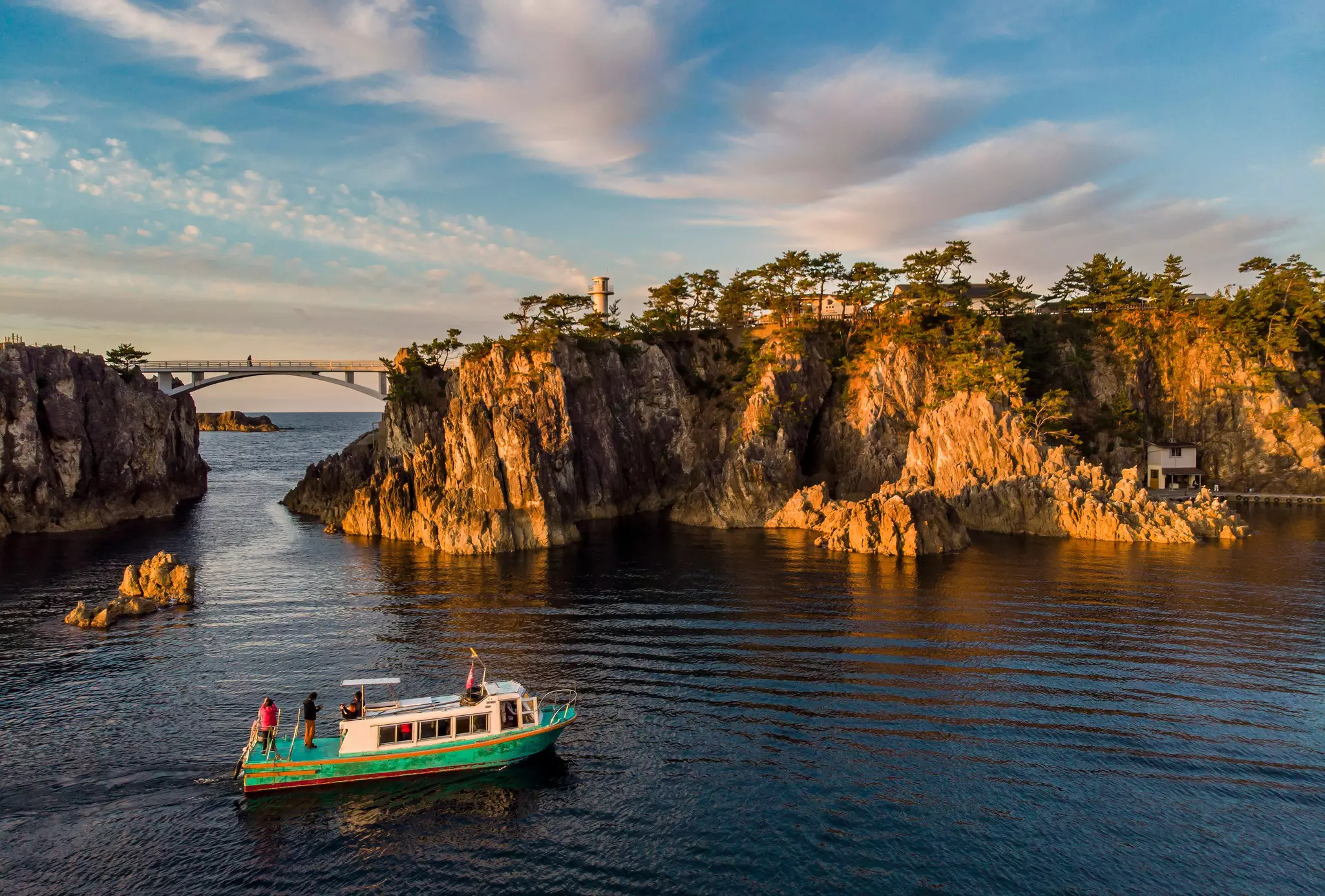
Located in the Sea of Japan, off the coast of Niigata, the island of Sadoshima – often known just as Sado – is preserved as a geopark thanks to its stunning coastal scenery. Take a cruise around Senkaku Bay for panoramic views of the dramatic cliffs and coastline or kayak to Ryoudo Cave, known as Sado’s "Blue Grotto" due to its pristine, brilliant blue water.
On land, Iwakubi Shoryu is home to iconic rice terraces, best viewed in spring and summer, or from mid-October to mid-March, when the slopes are illuminated. Sadoshima was the site of a major gold rush in the early 17th century, and Sado Kinzan introduces the evolution of mining methods from that time. Travel by mine cart to the crushing yard, don mixed reality glasses to experience interactive exhibits in the tunnels, or visit Sado Nishimikawa Gold Park to try your hand at panning for gold.
Once a place of exile for nobles and intellectuals, Sadoshima also has rich artistic traditions. Performances of nō, a classical form of musical drama, are held regularly between April and October, and Earth Celebration, a festival centered around performances of the island’s renowned taiko drum ensemble, Kodō, is held annually in August. Then there are the island's traditional tarai-bune – circular wooden boats that feel a bit like sailing in a wooden bathtub.
Planning tip: Sado Kisen ferries travel regularly to Sadoshima from the ports of Niigata and Naoetsu on Honshū.
Best island for pop culture and food
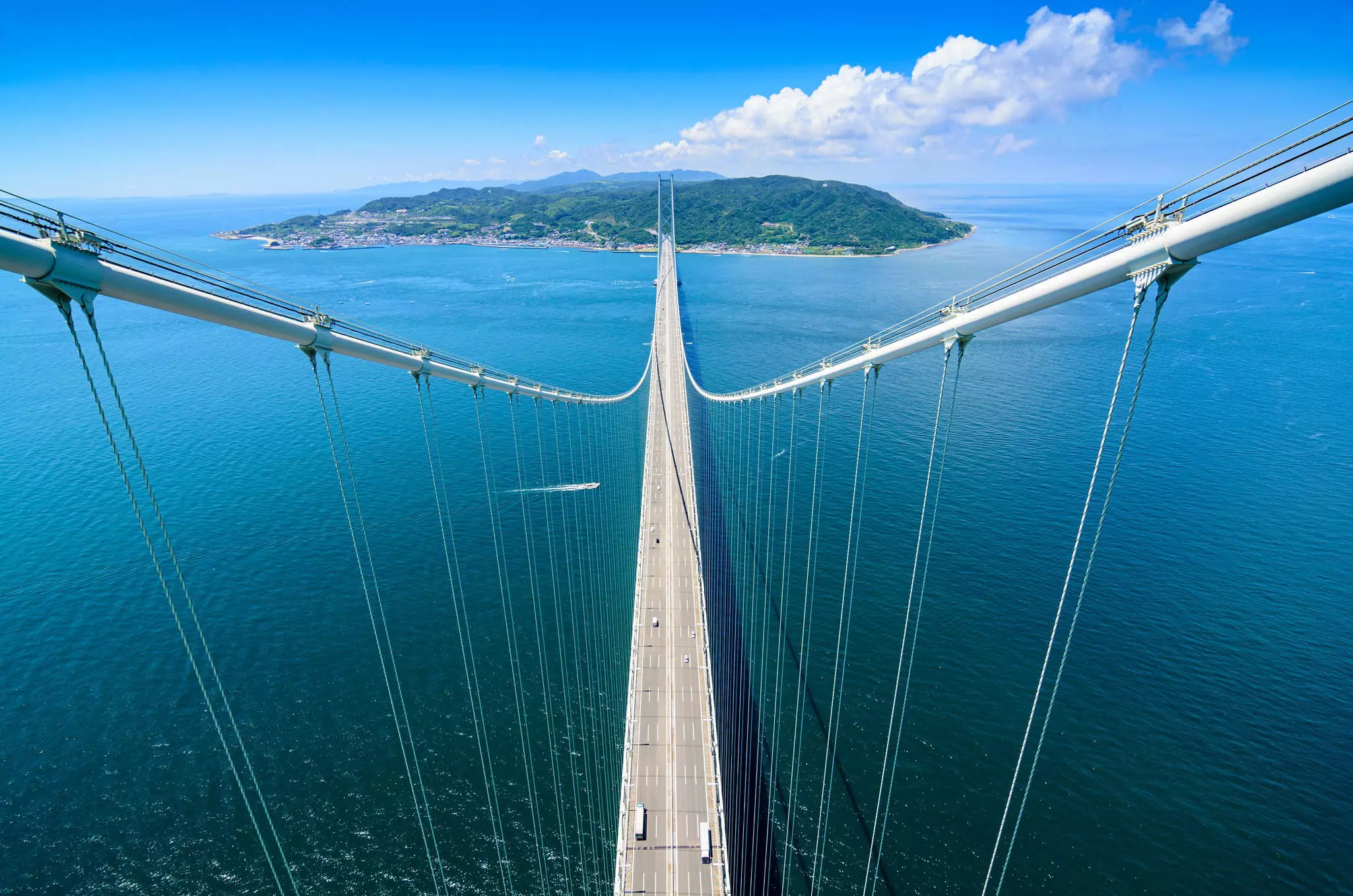
The resort island of Awaji-shima is connected to Shikoku by the Naruto-Ōhashi Bridge and to Honshū via the 3.9km-long Akashi Kaikyō-Ōhashi Bridge – the longest suspension bridge in the world. It's a great spot to appreciate Japanese pop culture and foodie traditions, but expect plenty of local visitors during the school vacations in late March, July and August.
The northern part of Awaji-shima is home to Nijigen no Mori, a fun-filled theme park with attractions and eateries based on popular anime series such as Naruto and Boruto. Ride a zip line into Godzilla’s mouth before using weapons to defend the island from his attack, or visit the nearby Hello Kitty Show Box to see the popular feline character sing and dance.
Food is the other big draw. The island has been renowned as a miketsukuni (land of royal provisions) for centuries, thanks to its distinctive culinary culture. Experience local food alfresco at the seaside Awaji Chef’s Garden or drop into the onion-themed Uzu-no-oka dining complex to celebrate the island’s most farmed vegetable.
Planning tip: For a foodie stopover, Awaji Nature Lab & Resort serves delectable farm-to-table dishes at its Haru San San restaurant, while the Zenbo Seinei retreat combines vegan meals with meditation and yoga.
{
  "url": "best-small-islands-to-visit-japan",
  "destination": "Japan",
  "title": "japan",
  "country": "Japan",
  "continent": "Asia",
  "refresh": 30,
  "refresh_limit": 3
} Take your Japan trip with Lonely Planet Journeys
Time to book that trip to Japan
Lonely Planet Journeys takes you there with fully customizable trips to top destinations – all crafted by our local experts.

Explore related stories