Mar 23, 20267 min read
A first-time guide to Luxembourg{
"url": "first-time-guide-to-luxembourg",
"destination": "Luxembourg",
"title": "luxembourg",
"country": "Luxembourg",
"region": "Western-Europe",
"continent": "Europe",
"refresh": 30,
"refresh_limit": 3
} Mar 23, 2026
7 MIN READ

Writer
Get to know the best things to do in Luxembourg with this first-timer's guide. Sabino Parente/Shutterstock

Writer
Lonely Planet may earn a commission from affiliate links on our site. All recommendations and reviews reflect our own independent opinions.
Squeezed in between France, Belgium and Germany, tiny Luxembourg (pop. 680,000) is something of an oddity, yet is arguably also the most European of the continent’s many nations. A multilingual global hub of business and commerce, Luxembourg is also the world’s only grand duchy and its cinematic capital city was once an imposing fortress that used its dramatic topography to battle waves of Spanish and French armies.
In short, it’s an intriguing place. But despite those alluring accolades, it’s a country that’s often overlooked thanks to its diminutive size. Those who do venture here find dense hiking wildernesses, languid wine regions, bizarre local festivals and arguably the most distinct capital city in Europe. Plan your travels to this charming country with this guide to Luxembourg.
Luxembourg’s relative mystique means its streets won’t be clogged with swelling crowds, lost tourists and stressed tour guides, even during the summer months. And while summer (June to August) is indeed the busiest time, the pleasant weather also makes it the best time to visit.
The thick foliage lining the gorges and valleys of Luxembourg City explodes into orange, gold and red during fall (September to November) and these delightful scenes coupled with slightly lower hotel prices make it another fine time to visit.
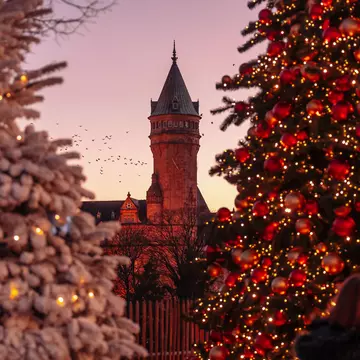
The Winterlights festival in Luxembourg City during December's festive period is magical, though travelers passing through in January and February will face near-freezing temperatures and reduced opening hours, with closures of some attractions and restaurants.
Luxembourg City is an ideal weekend break destination, with plenty to see and do between Friday and Sunday. If, however, you have more time at your disposal then take advantage of the country’s short distances between locations (it takes less than 1 hour and 30 minutes to drive from the northern to the southern end of Luxembourg!).
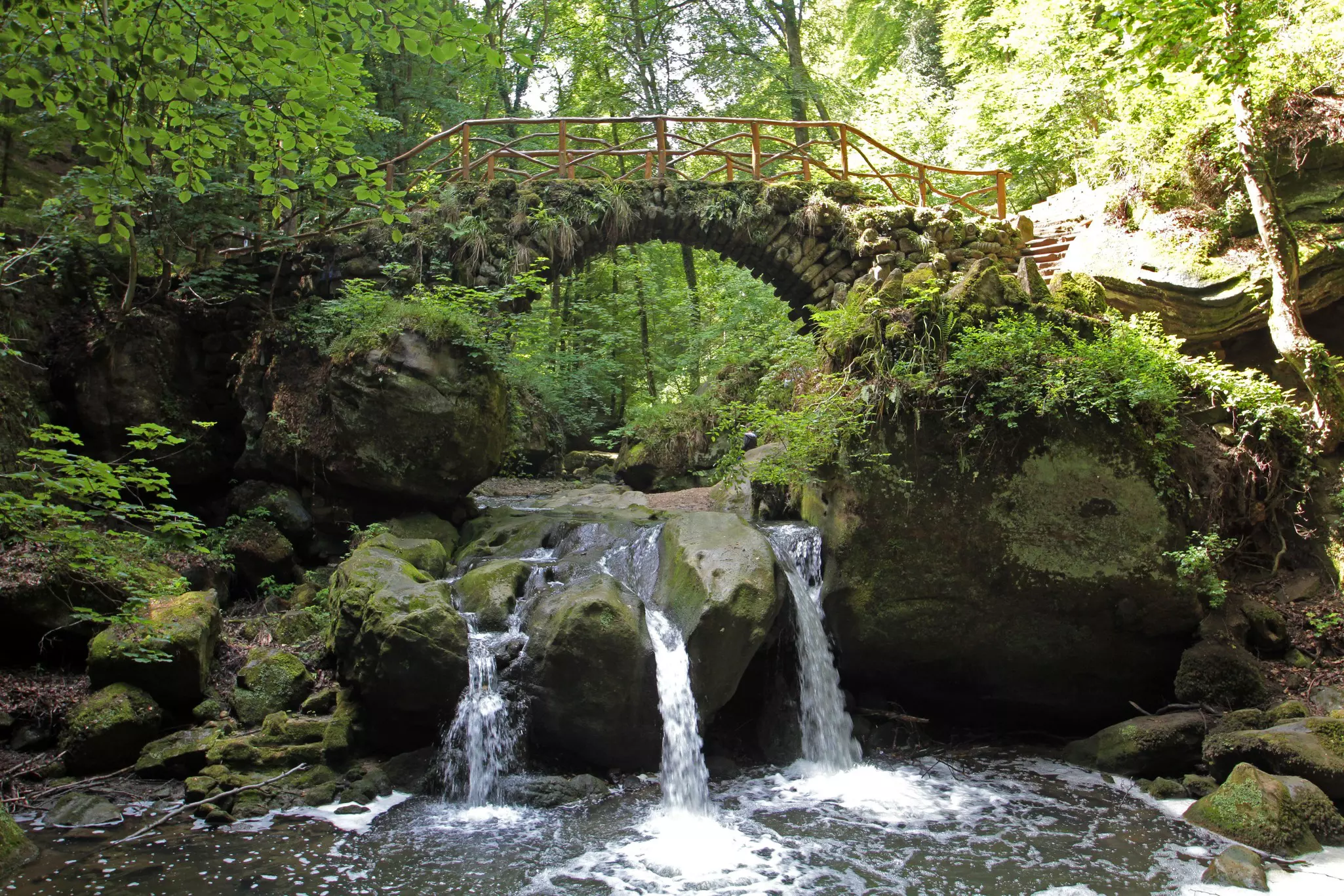
With 4 days available, there’s ample time to spread out to the wine region of Moselle and explore the unique museums of Esch, the 2022 European Capital of Culture. Expand that to 7 days and you’ll be able to head north and hike the Mullerthal’s dense forests and gentle hills.
Luxembourg Airport is the country’s only international airport and is located around 5km east of the capital, meaning a relatively short bus, tram or taxi ride into the city. While the ravines of Luxembourg City may look intimidating at first, it's a small place with a population of just 137,000 and is easily walkable.
And in news that always brings a surprised smile to first-time visitors' faces, all public transit in Luxembourg (buses, trams, and trains) has been free of charge since February 2020.

Stay connected abroad with an eSIM
Holafly eSIM provides unlimited mobile data with no hidden fees, giving you peace of mind wherever you travel. Stay connected even after your plan ends with Always On. Use code LONELYPLANET for an exclusive discount.
Lonely Planet may earn a commission from affiliate links on our site. All recommendations and reviews reflect our own independent opinions.
More than 10 times smaller than neighboring Belgium, Luxembourg is not a big place. Its capital city is the best place to start any journey, making the most of the free transport network, and if you have more time you could visit the former steelworks at Belval, take the train north into Mullerthal and visit the country's oldest town of Echternach or try wine tasting in the Moselle Valley wine region.
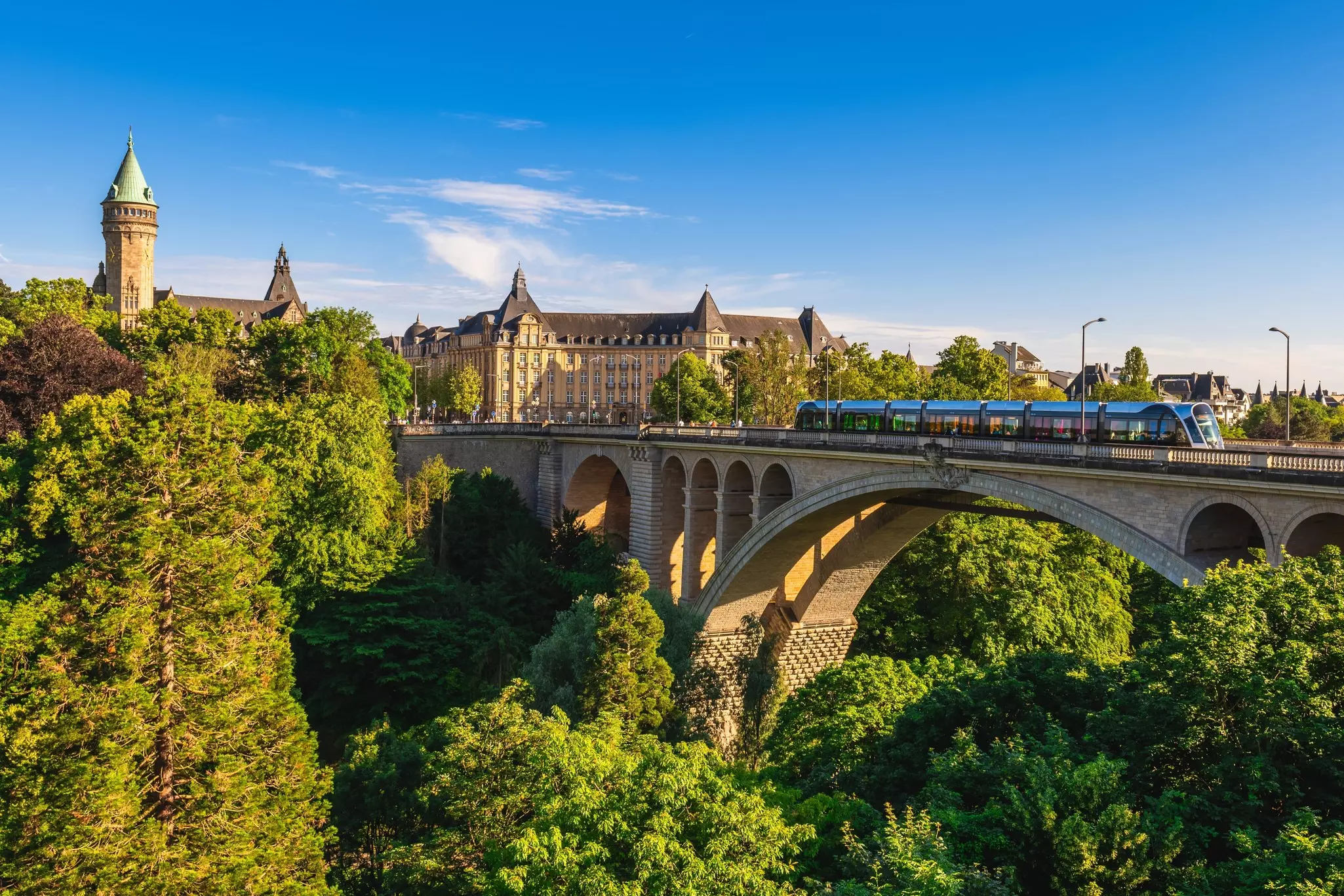
In the city center, Luxembourg’s rather tumultuous history can be explored at the fascinating cliffside Musée d'Histoire de la Ville de Luxembourg. After soaking up the past, you can then see up close how Luxembourg defended itself at the Bock Casemates – a complex network of subterranean tunnels and rocky fortifications lined with cannons protruding out of carefully cut holes. It’s no surprise this place was once nicknamed the "Gibraltar of the North". Don't leave without taking in the views from the Chemin de la Corniche and the mighty Pont Adolphe bridge.
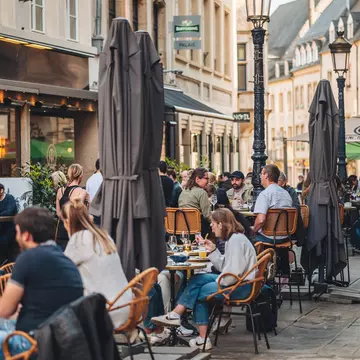
Let off steam in the evening by making the winding walk down to the lively Rives de Clausen neighborhood, a 12th-century brewing district that’s been regenerated into an eclectic entertainment area with bumping bars and modern restaurants.
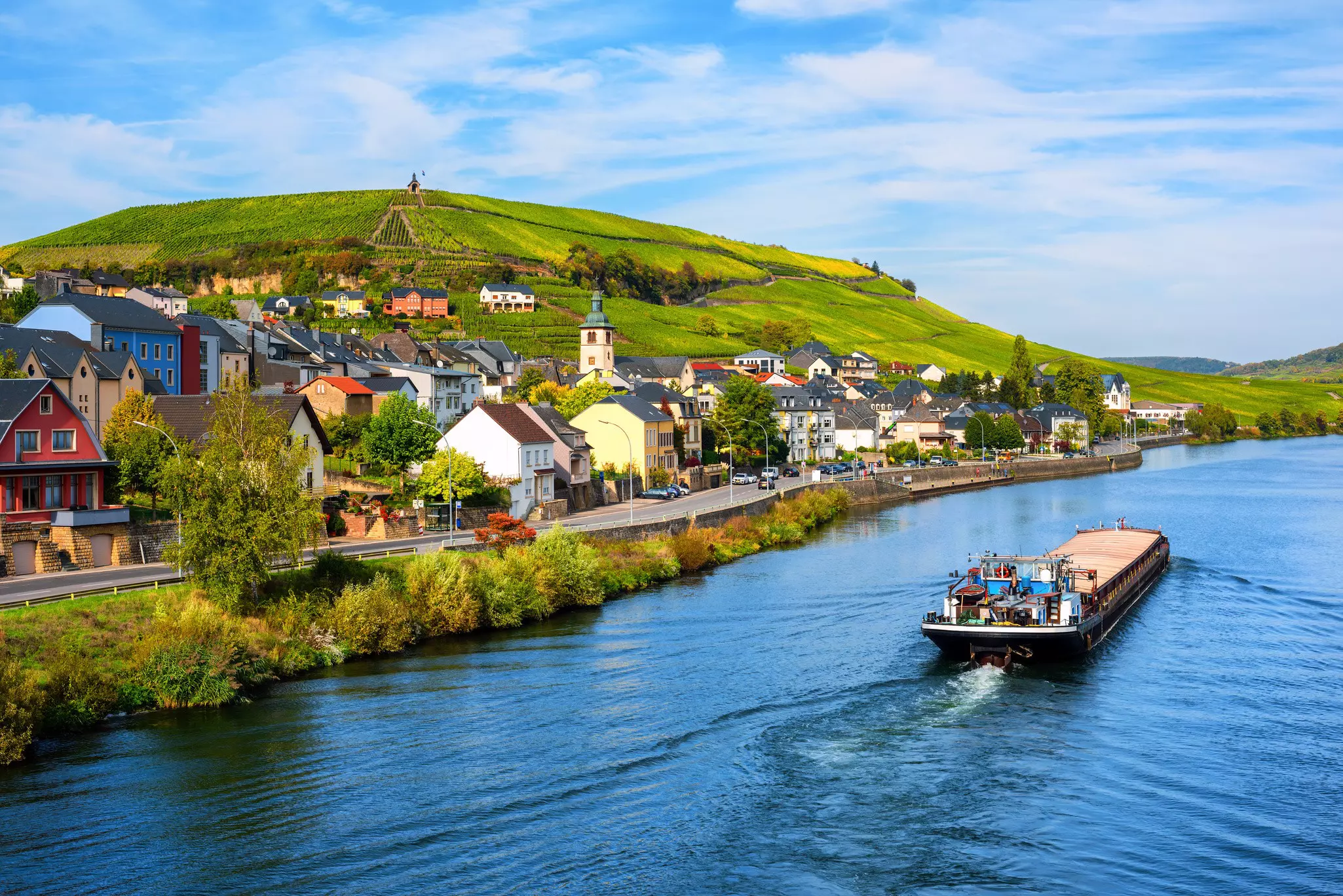
In Luxembourg’s pastoral southeast, the Moselle Valley wine region is also perfect for a short 20km day trip from the capital and its rolling vineyards growing grapes make for pleasant summer afternoons sampling local whites such as riesling, gewürztraminer and chardonnay.
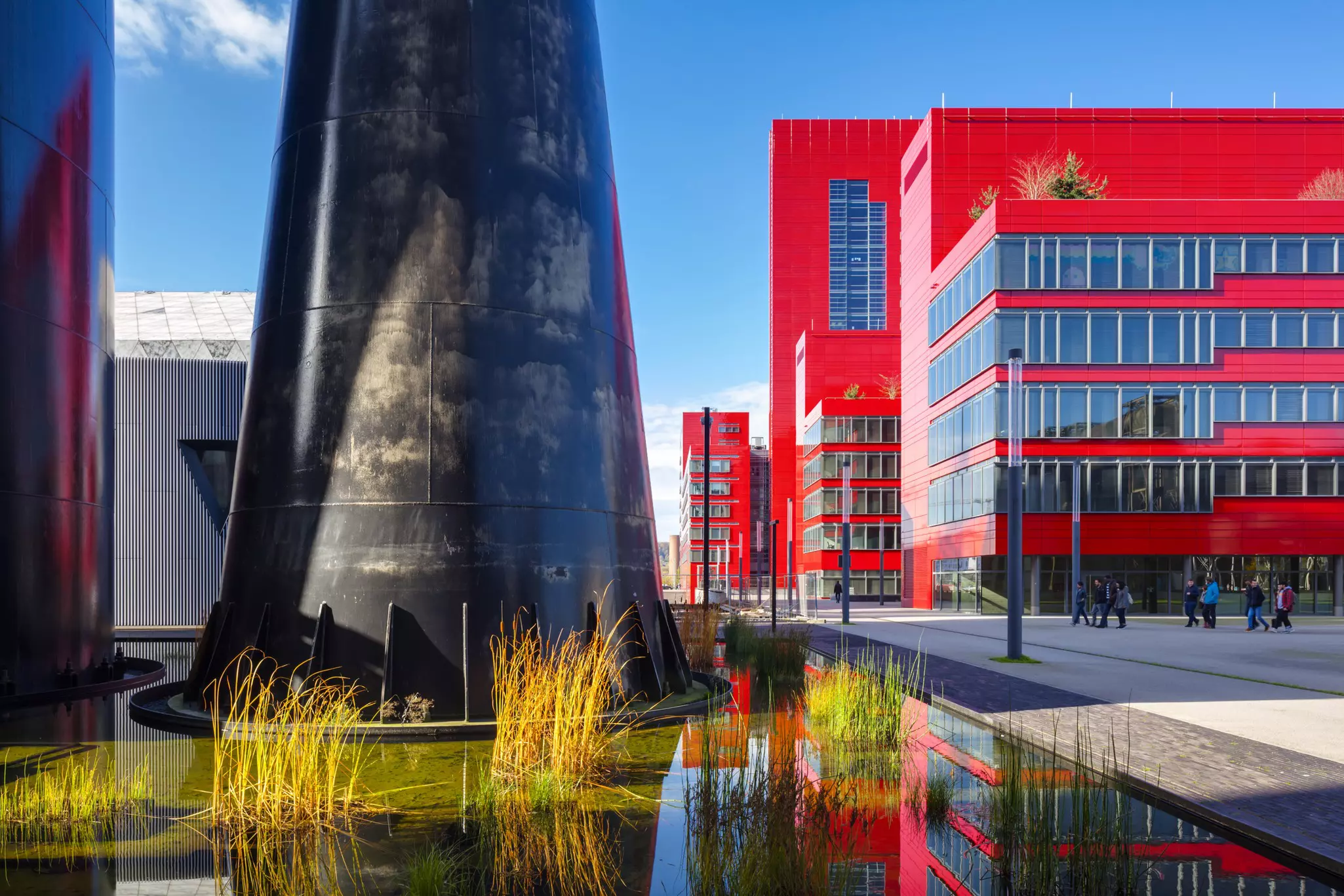
While Luxembourg’s current riches are based around financial services, its past wealth was built on the cast iron industry and nowhere is that displayed better than at the hulking remains of Belval’s former blast furnaces in the southwestern city of Esch. With their massive steel skeletons available to climb on guided tours, the sublime panoramic views stretch as far as France. Over at the Minett Park Fond-de-Gras, the old mining railroad has been transformed into a network of bucolic walking trails, with many of the historic stations and warehouses free to explore.
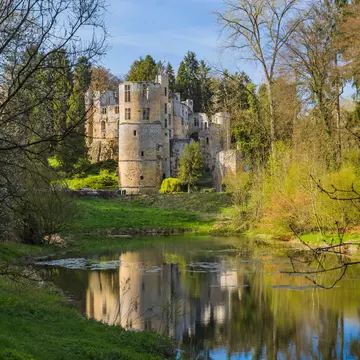
With a little more time on your hands, there’s scope to take the train north into beautiful Mullerthal. Often referred to as Luxembourg’s Little Switzerland, walk parts (or all of) the 112km Mullerthal Trail for some sublime summer hiking, passing by rare sandstone rock formations, ancient fern forests and wonderful views over the river Sûre.
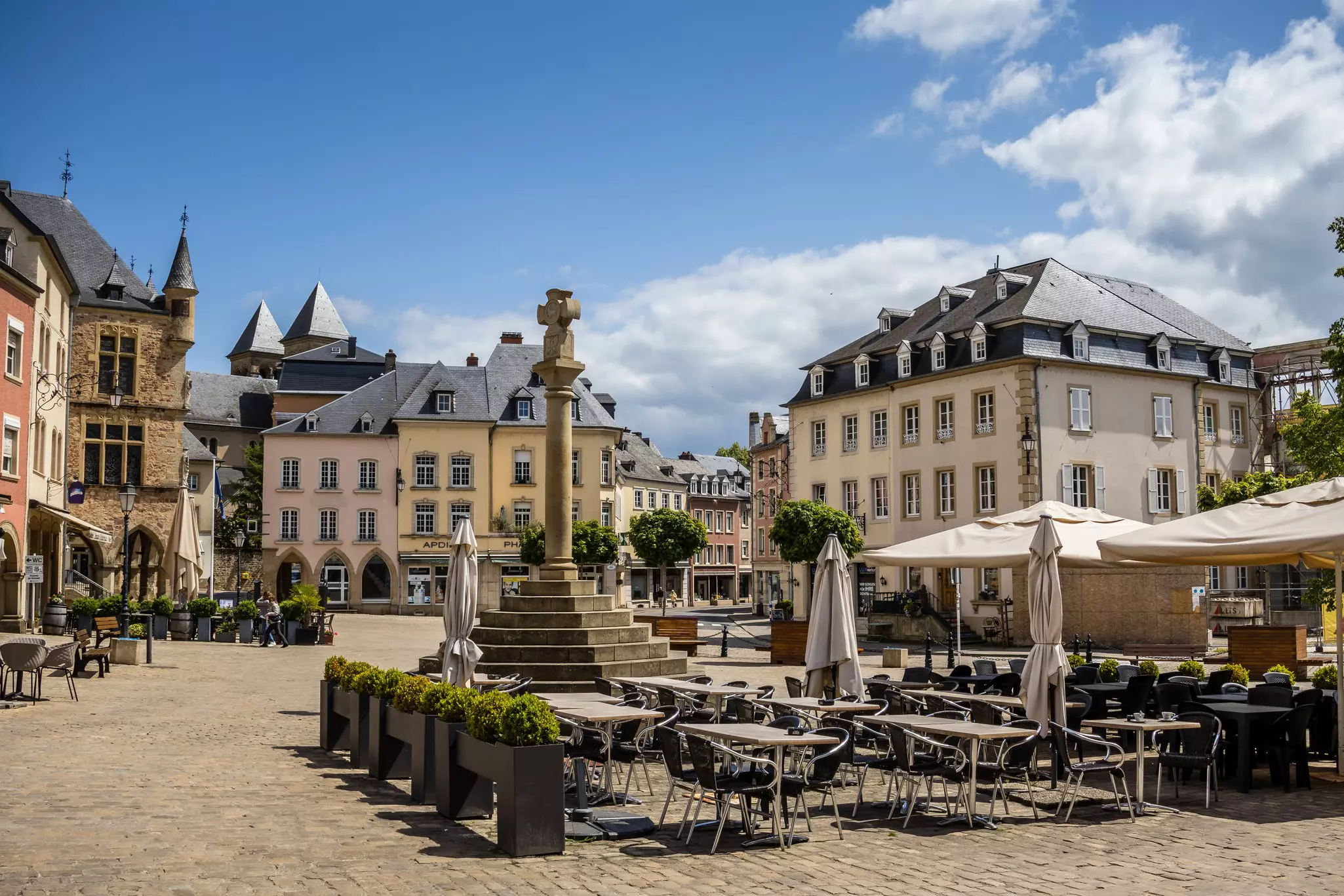
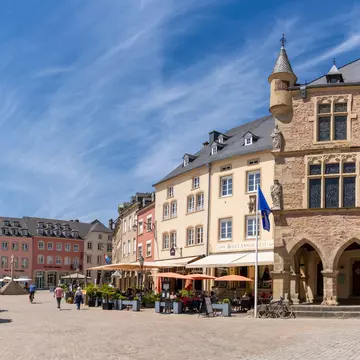
In nearby border-straddling Echternach, the town’s handsome twin-spired abbey dominates the surrounding landscape and looks deep into neighboring Germany. This place though, is also famous for more unconventional reasons. If you happen to be here on Whit Tuesday, then you’ll be on hand to witness the traditional Lechternacher Sprangprëssessioun – a hopping procession where participants dressed in white shirts and black trousers hop like bunnies to a polka melody through the town’s medieval streets to pay tribute to St Willibrord, founder of the local Benedictine Abbey.
My first trip to Luxembourg was booked on a whim. I had no idea what to expect or what this mysterious country a 2-hour hop from the UK looked like. I guess I wanted to be surprised.
And that’s exactly what happened the first time I walked out onto the capital city’s Chemin de la Corniche. From the elevated balcony of this winding promenade, Luxembourg’s widescreen cityscape was revealed like an establishing shot of an epic Golden Age Hollywood movie. Spend as long as you like here soaking in tumbling gorges, vertiginous cliffs, twisting roads, distant spires, dense foliage and grand stone bridges. It’s a remarkable scene that’s never left me.
Luxembourg is the world’s richest country going by GDP per capita, though its prices for visitors aren’t exceptionally high (like you may see in Scandinavia, for example). It’s not a cheap country either, but for those simply traveling through, Luxembourg isn’t too different from its neighbors and should be treated as such.
As mentioned earlier, Luxembourg’s free public transit is a huge boon for visitors and should be taken advantage of as often as possible, freeing you up to consider a hotel upgrade or fancy meal.
Hostel room: from €38
Hotel room for two: €120
Public transport ticket: free!
Coffee: €3.50
Sandwich: €6
Dinner for two: €60–80
Beer/pint at a bar: €6
Germanic in character, Luxembourgish is the national language of Luxembourg though the country also has two other official languages: French and German. French is more prominent than German, though English is widely spoken too, thanks to Luxembourg’s large multinational workforce.
Luxembourg’s cuisine is reflective of its location between France and Germany, blending ingredients and styles from both but perhaps closer to the heartier fare of German dishes. Made from smoked pork collar, potatoes and broad beans, Judd mat Gaardebounen is a classic Luxembourgish dish and is ideal in colder months.
A grand duchy is a country or territory whose official head of state or ruler is a monarch bearing the title of grand duke or grand duchess. During the 19th century, there were as many as 14 grand duchies in Europe, but Luxembourg is the only one remaining upholding the tradition.
{
  "url": "first-time-guide-to-luxembourg",
  "destination": "Luxembourg",
  "title": "luxembourg",
  "country": "Luxembourg",
  "region": "Western-Europe",
  "continent": "Europe",
  "refresh": 30,
  "refresh_limit": 3
} Explore related stories