Sep 22, 202613 min read
20 Things to Know Before Visiting French Polynesia{
"url": "things-to-know-before-traveling-to-french-polynesia",
"destination": "French-Polynesia",
"title": "french-polynesia",
"continent": "Australia-&-Pacific",
"refresh": 30,
"refresh_limit": 3
} Sep 22, 2026
13 MIN READ
Contributors
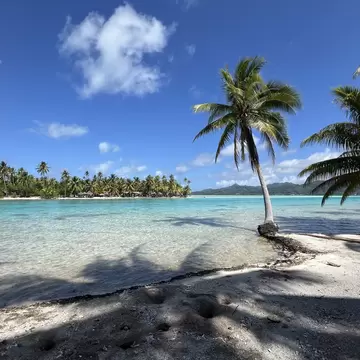
Palm trees frame the lagoon between Ra’iatea and Taha’a, French Polynesia. Jessica Lockhart/Lonely Planet

Contributors


Lonely Planet Editors, Craig Tansley
Highlights
Writer Craig Tansley shares 15 French Polynesia tips on timing, cash and safety.
Travel in April or May to dodge the trade winds and tourist crowds.
Budget-conscious visitors should eat at roulottes for fresh seafood and carry CFP cash.
For safety, use insect repellent against dengue and keep to well-lit streets in Pape'ete.
Lonely Planet may earn a commission from affiliate links on our site. All recommendations and reviews reflect our own independent opinions.
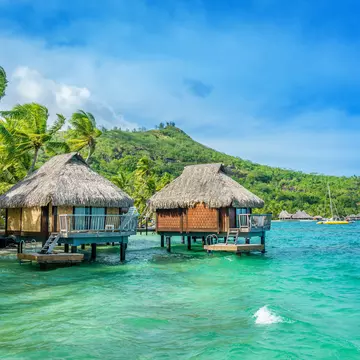
The sand-circled atolls of French Polynesia – or more specifically, the paradise islands of Tahiti and Bora Bora – may well be the most romanticized islands on Earth. Utopia does indeed exist, and it’s found out in the deep blue sea, where tall, green mountains drop to white-sand beaches spilling into warm, turquoise lagoons.
But there are things you need to know before visiting French Polynesia, from the best islands to wash up on to the local etiquette and other things to bear in mind once you get here. For starters, there are 118 islands in French Polynesia (not just those famous two), so the options for an island getaway are almost endless.
Growing up in the neighboring Cook Islands, I’ve visited French Polynesia numerous times, and although I’m much further away now, I take any opportunity to return whenever I can. Here are the most important things you need to know to have the ultimate stay in French Polynesia.
{
  "url": "things-to-know-before-traveling-to-french-polynesia",
  "destination": "French-Polynesia",
  "title": "french-polynesia",
  "continent": "Australia-&-Pacific",
  "refresh": 30,
  "refresh_limit": 3
} Wherever you are coming from, traveling to French Polynesia is likely to involve a long journey, so it pays to plan your trip carefully. Here are some top tips.
With the long journey time to get here (flights to Tahiti take around 21 hours from Paris, 8 hours from Los Angeles and 6 hours from Auckland), you'll want to give yourself time to truly unwind. A week is a good starting point and 10 days is better – that's enough time to see more than one island and roam beyond the beaches to enjoy the dramatic mountain landscapes.
With two weeks, you'll be able to truly adjust to island time and see more of the archipelago. One special consideration – if you come here to scuba dive, allow yourself a day between your last dive and your flight home to lower the risk of decompression sickness.
The peak tourist season in French Polynesia is the dry season, which runs from June to September. But guess what? Not only is this the busiest time for tourists (these months coincide with summer school holidays for French nationals and Americans), it’s also the windiest season. Consider traveling instead in the shoulder season months of April and May, when the dominant southeasterly trade winds are weaker, or in September and October, when things are less busy.
The wet season falls in the summer months between December and March, but this can still be a rewarding time to visit French Polynesia. There’s a slight chance of cyclones, but it’s much less than in Fiji or Vanuatu, owing to French Polynesia’s position at the eastern edge of the South Pacific cyclone zone. You’ll also find that prices are a lot lower at this time and everywhere will be less busy.
If you don’t mind generally high levels of humidity, rain in summertime is mostly confined to afternoon storms, which soon blow out to sea and won't put much of a dampener on your vacation. I’ve had some of my best trips here in summer.
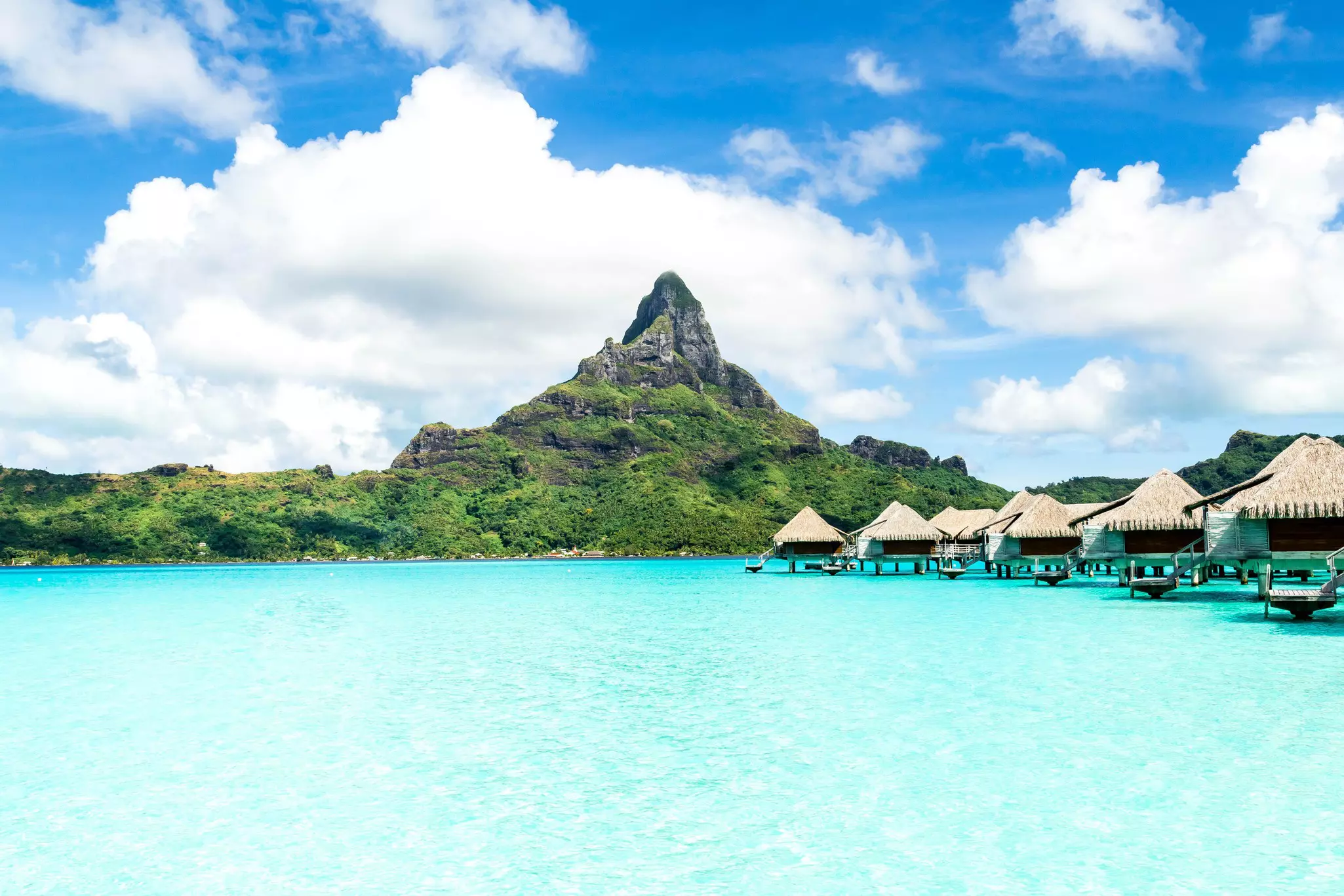
You have plenty of islands to choose from when planning an island getaway, but almost everyone kicks off in Tahiti, as this is the archipelago's international air gateway. Mo'orea is close enough to Tahiti to visit by boat or a 15-minute flight, while the trip to Bora Bora takes an hour by plane, or 7 hours by boat. Flights and ferries also head out to the other islands in the group that see far fewer visitors.
Whether you base yourself in Tahiti and Mo'orea, in Bora Bora and the Leeward Islands, or in outlying islands in the Palliser group to the east and other atolls will depend on your accommodation choices and budget. Some visitors divide their trip between several different islands, but plenty of people stick to just one, and island-hopping around the whole archipelago tends to be reserved for yacht owners and billionaires.
The French Polynesia packing list is fairly standard for a tropical beach escape. You'll want beachwear, light cotton clothes for time away from the sand, and perhaps a smarter outfit or two for dinner. Bring a sarong or buy a pareo (the local version) on arrival, and pack a mask and snorkel as there's marine life everywhere. You'll also want comfortable walking shoes for hikes inland. Also bring long sleeves for cooler, breezy evenings, an umbrella or raincoat, bug repellent, and reef-safe sunscreen.
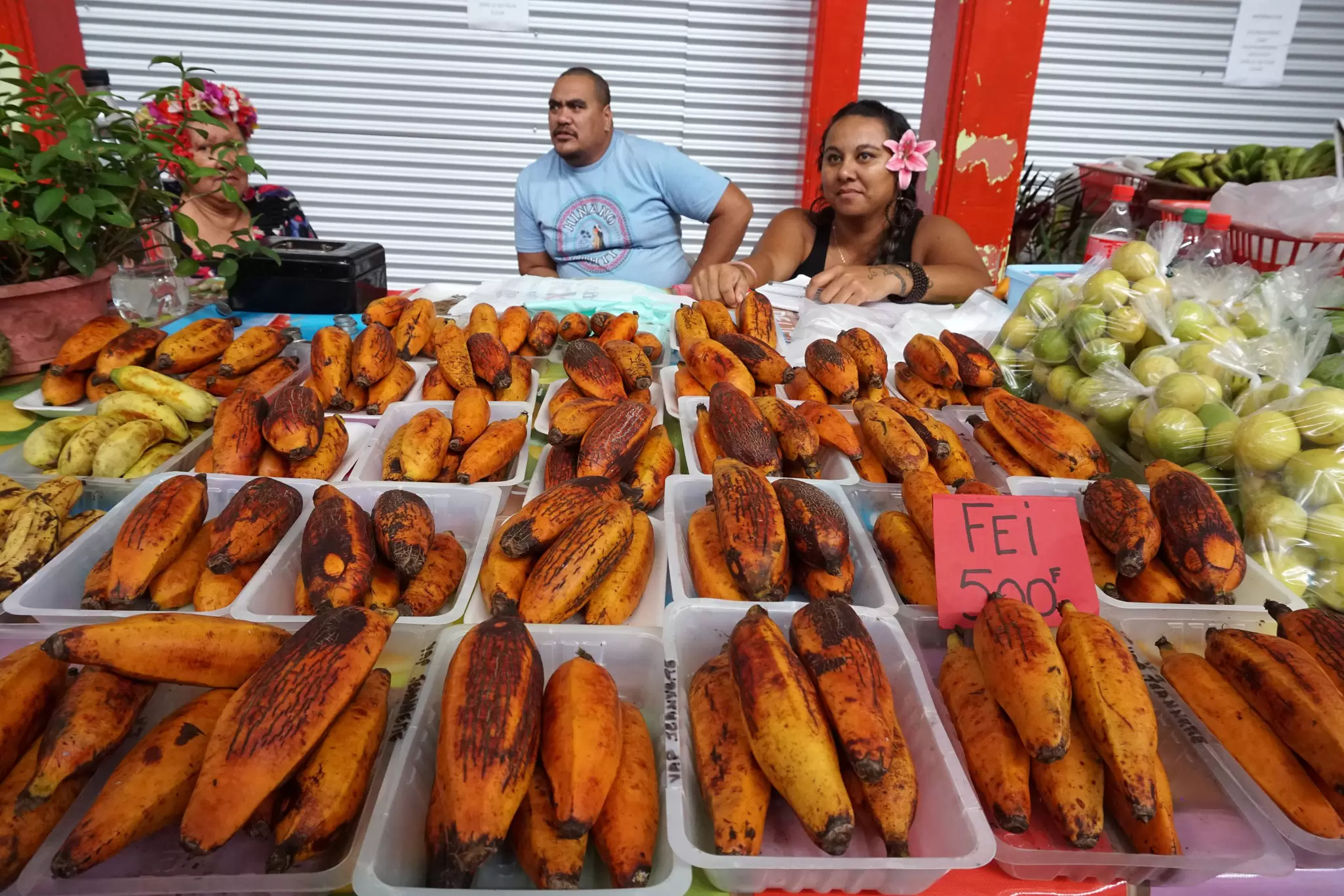
French is the official language of French Polynesia, though Tahitian is usually spoken among locals. English is really only spoken in places visited by large numbers of tourists, especially on Tahiti, Mo'orea and Bora Bora. However, even there, you might be surprised how little English many locals speak.
It’s worth knowing at least a handful of basic French phrases for greeting people, making purchases and getting around. Better yet, learn some Tahitian phrases. Just a couple of terms like mau ruru (thank you), nana (goodbye) and la orana (hello) will get you a long way with locals.
French Polynesia is a cash economy. On my first trip, I ran out and spent two days looking for an ATM on the small island of Huahine. While credit cards are now widely accepted in hotels and in larger restaurants, at most other places cash is still king, and you'll need to carry some for day-to-day purchases.
The local currency is the Cour de Franc Pacifique (CFP) – and there are ATMs available on all the main islands – but do yourself a favor and get plenty of money out at the airport on arrival just in case. If you prefer to exchange money instead, euros and US dollars are the most widely accepted currencies.
{
  "url": "things-to-know-before-traveling-to-french-polynesia",
  "destination": "French-Polynesia",
  "title": "french-polynesia",
  "continent": "Australia-&-Pacific",
  "refresh": 30,
  "refresh_limit": 3
} 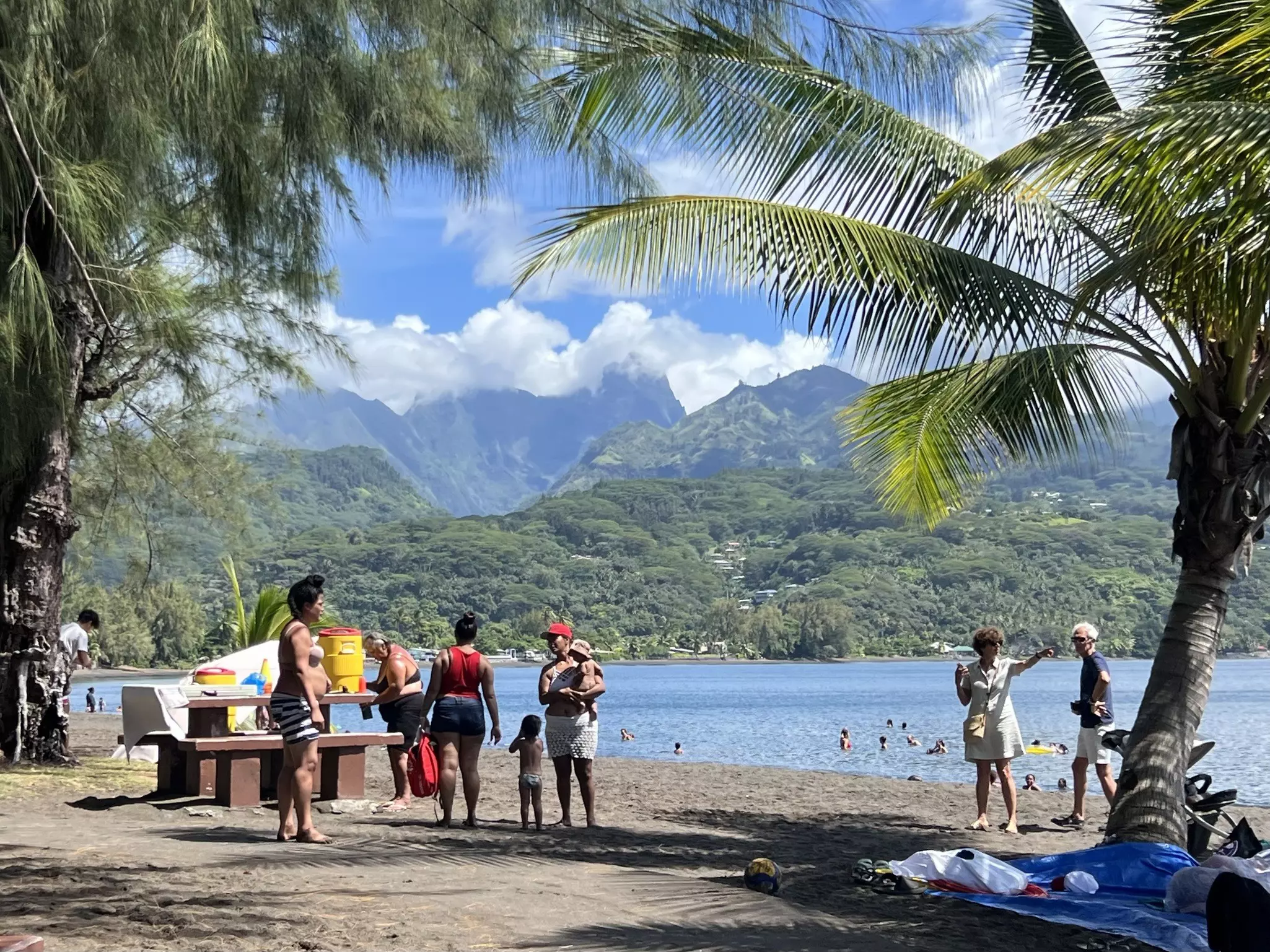
The residents of French Polynesia have long been exposed to the outside world, but many local customs endure, so follow the lead of locals if you're unsure of the correct way of doing things.
There are various aspects of etiquette to bear in mind in French Polynesia. When shopping, don’t try to haggle on the price; locals aren’t interested in negotiations and it’s disrespectful to try to argue them down. Don’t wear revealing clothing or bathing suits in villages, and don’t take photos of people without asking first. Greet locals in their own language and always remove your shoes before entering their homes. At religious sites – such as the marae (temple sites) on Tahiti – dress modestly and avoid climbing on sacred structures.
Sunday in French Polynesia is a time for rest, family and church. Most businesses and even some tourist sites close or operate reduced hours. Tourists are welcome to join church services, which are mostly in Tahitian; ceremonies are accompanied by beautiful singing and services often end with a feast that visitors can participate in.
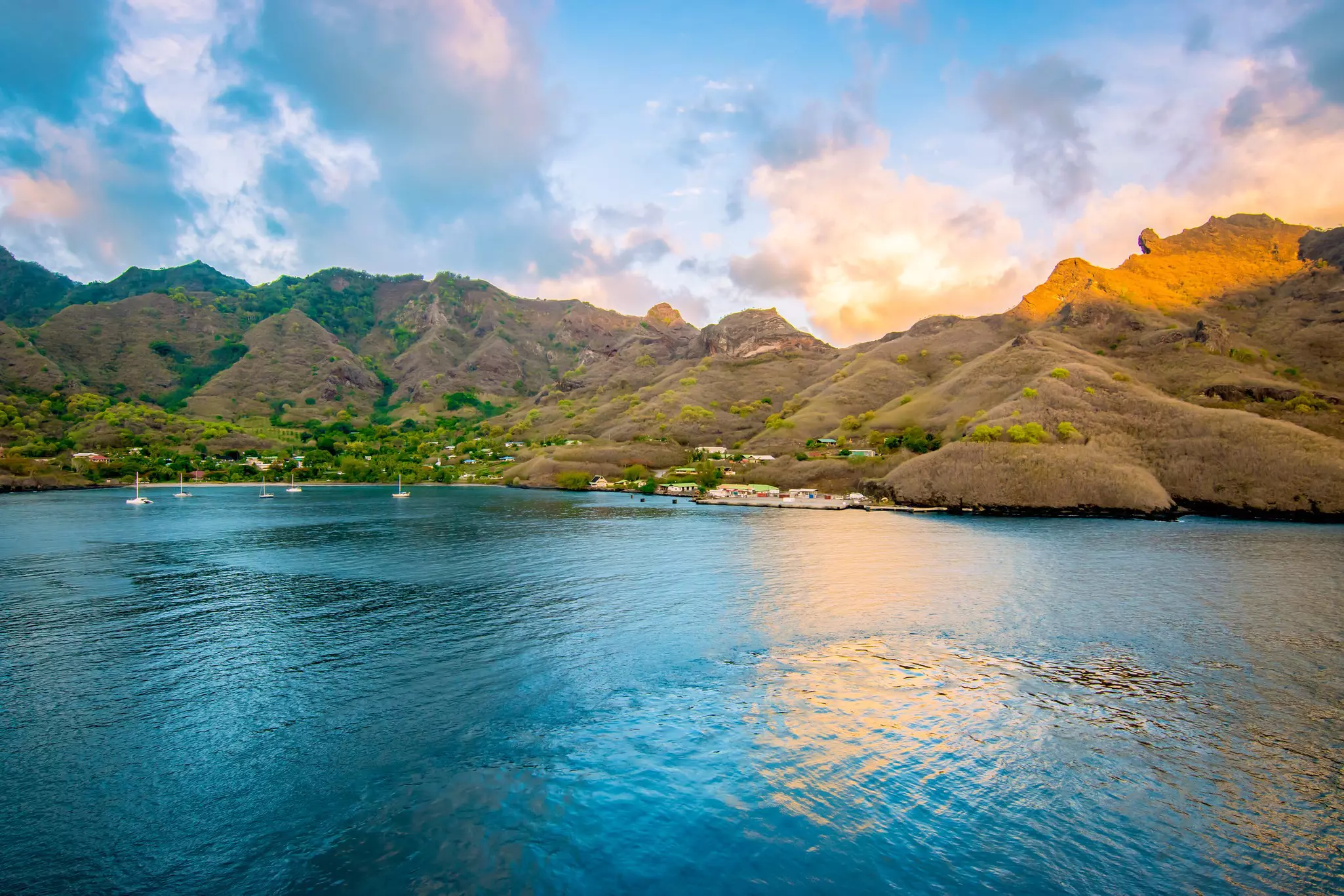
Things move a lot slower in French Polynesia. Don’t expect rigid schedules or instant service. Embrace the laid-back lifestyle by recognizing that flights can be delayed, shops may open late, and locals like to take their time. Many businesses close in the heat of the day before reopening an hour or two later, and they don't remain open into the evening, so fit in your shopping in the morning or mid-afternoon.
Heiva i Tahiti completely takes over Tahiti in July, with similar celebrations held across the other islands. It’s a month-long cultural celebration that attracts a lot of tourists, and also brings a lot of French Polynesians living on outer islands to the island of Tahiti, where the majority of the action takes place.
While the atmosphere is electric – dance troupes from all over the islands compete throughout Tahiti and crowds gather to watch – it can also be a difficult month to find accommodations and make restaurant bookings, so plan well ahead if you visit at festival time.
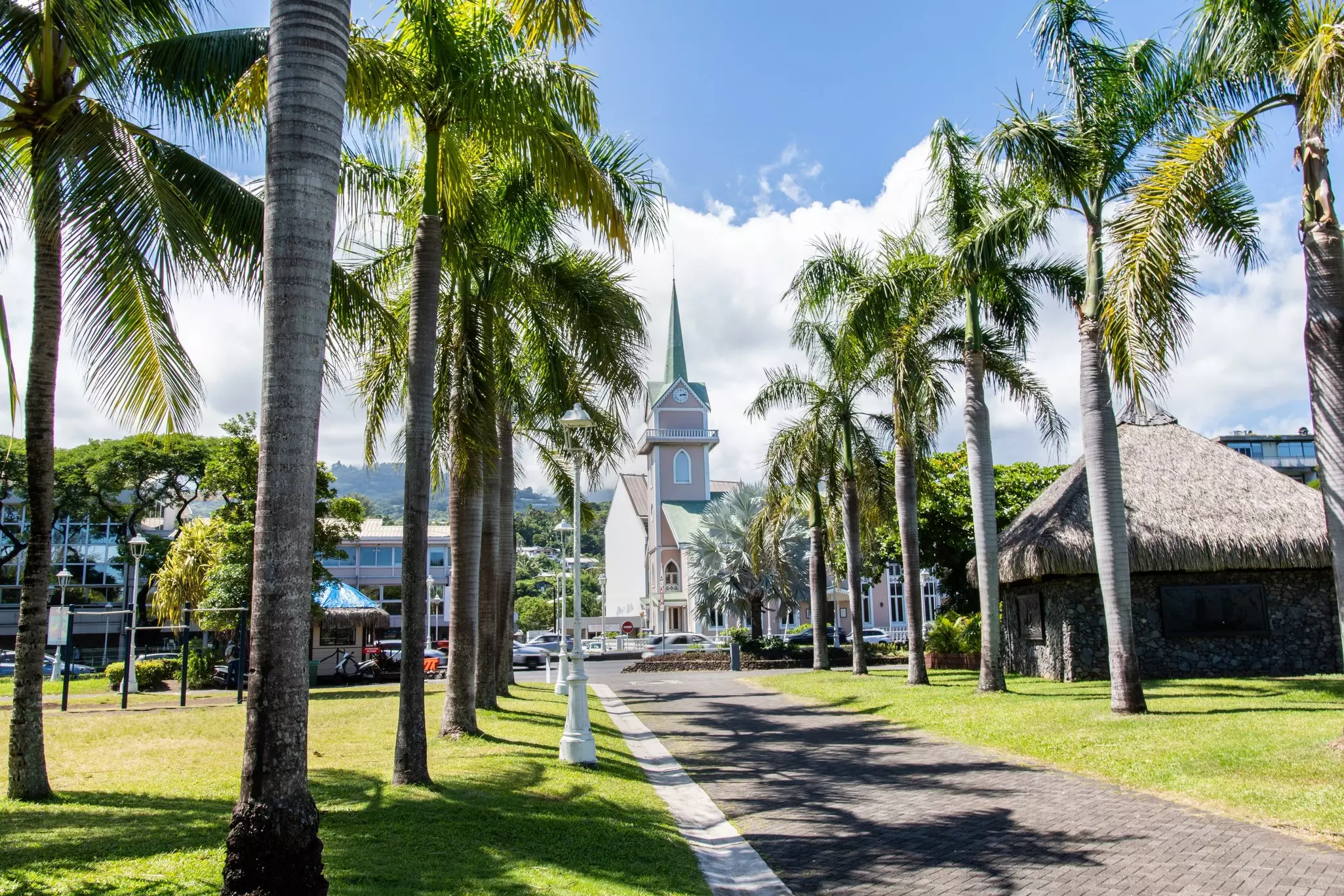
Generally, French Polynesia is a very safe destination, but there are a few hazards to be aware of.
Tahiti may look like heaven, but its capital Pape’ete should be visited with a degree of caution. This is where many outer islanders end up, and competition for employment leaves many arrivals in difficult circumstances. Opportunistic crimes such as petty theft are a risk, so be vigilant during the day, and at night, stick to well-lit, busy areas.
French Polynesia has suffered many outbreaks of serious mosquito-borne viruses since the 1930s. The Zika virus spread throughout the country in 2013, dengue fever is a constant menace, the chikungunya virus has circulated here numerous times and Ross River fever comes and goes. Viruses like dengue fever tend to be more prevalent around urban areas (like Pape’ete) but always play it safe by using insect repellent, wearing long sleeves and pants, and keeping insect doors closed at your accommodations.
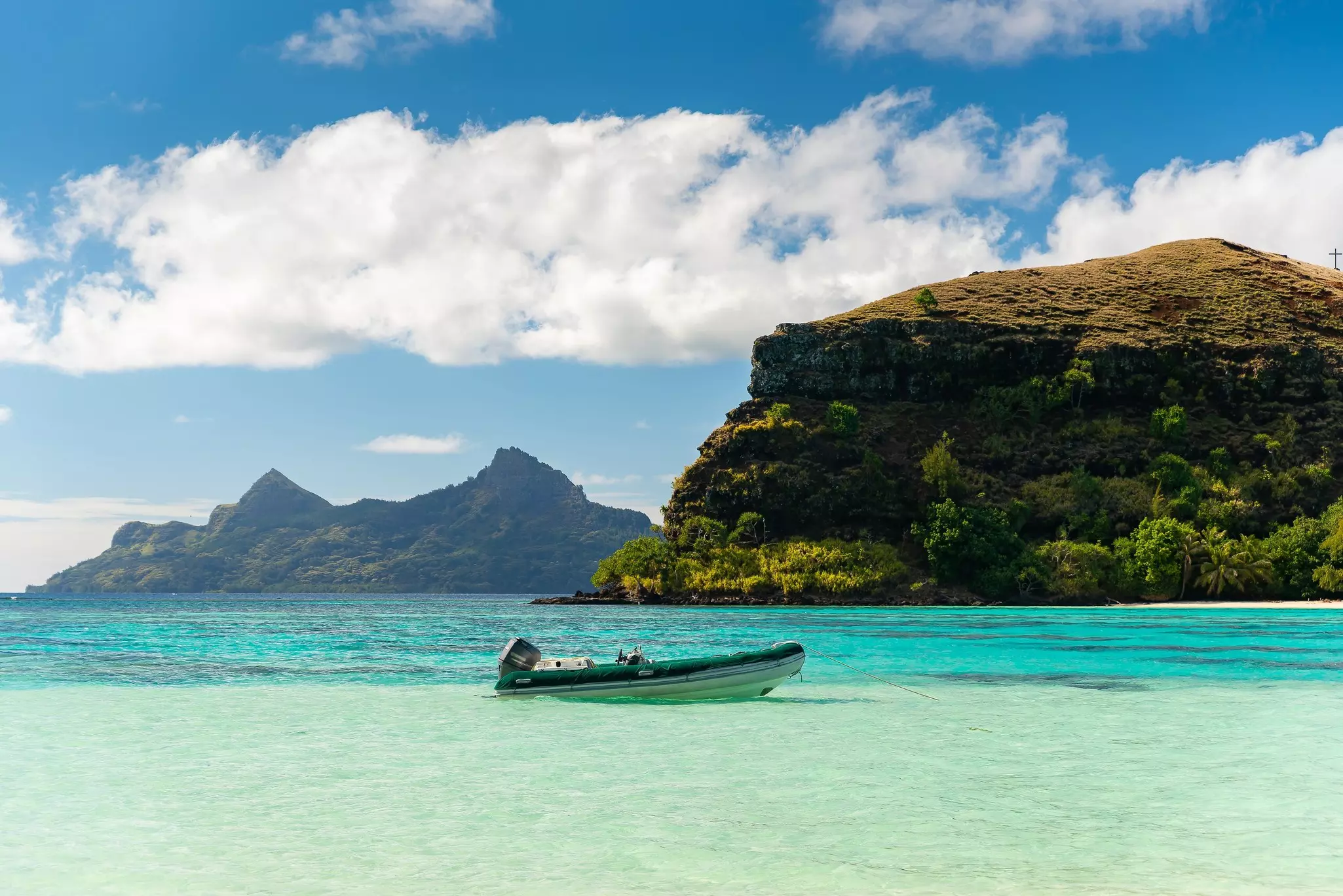
While cyclones are rarely a major risk, seasonal storms can make the ocean choppy and sometimes dangerous for boats and swimmers, though this is less of a problem inside the islands' sheltered lagoons. A bigger issue is currents, which can be strong; ask locals for advice before you go swimming or snorkeling.
{
  "url": "things-to-know-before-traveling-to-french-polynesia",
  "destination": "French-Polynesia",
  "title": "french-polynesia",
  "continent": "Australia-&-Pacific",
  "refresh": 30,
  "refresh_limit": 3
} Getting around the islands is fairly straightforward by boat or plane, but it can be expensive, so consider the following tips.
French Polynesia isn’t just about Tahiti and Bora Bora – there are 118 islands, spread across five very unique archipelagos. While outlying islands such as the Marquesas and the isles of the Gambier Archipelago are difficult and expensive to access, you don't have to roam too far to find calmer, less-visited islands right next to the famous ones. Consider expanding your island list to Ra’iatea, Taha’a and Huahine, which are close to Bora Bora, or Mo’orea, which is a short ferry ride from Tahiti. Any of these islands will give you a taste of how Tahiti used to be.
Domestic flights aren’t cheap, and they’re often not particularly frequent and use small planes that fill up quickly. Air Tahiti is the main interisland airline, and it offers a variety of multi-island passes, which can save you thousands if you’re looking to really explore. Air Moana also operates between the islands.
Book plane tickets well in advance – seats fill up fast, especially around holiday time when locals who moved to Pape’ete for work try to get home to see their families. Prices are lower for the ferries that operate between the islands, like Tahiti to Mo’orea, or Bora Bora to Ra’iatea, but the trade-off is slower journey times.
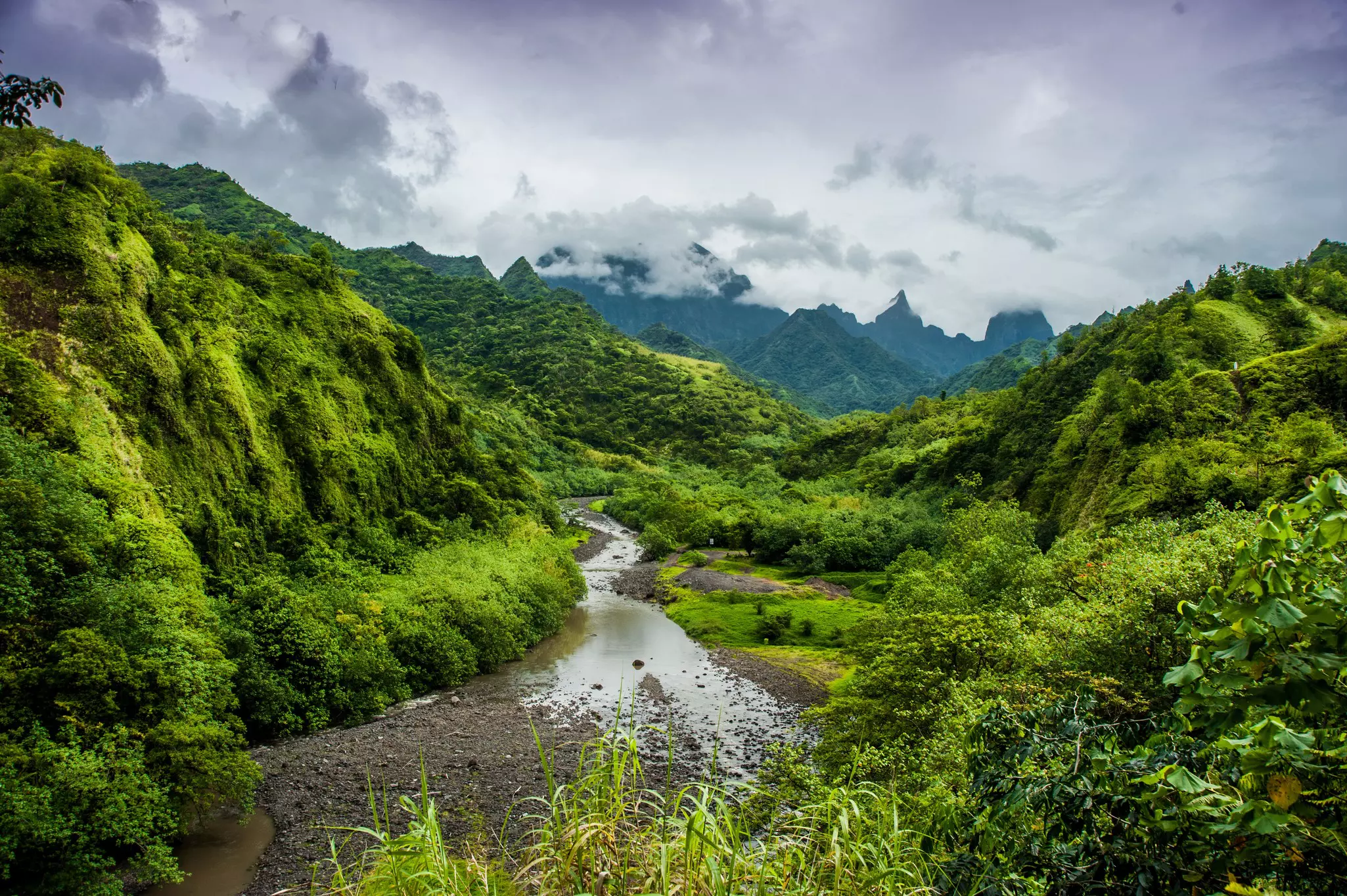
If you plan to see numerous islands of the chain, allow for delayed flights and a slower pace in getting around them – nothing moves fast in Polynesia! You'll also want to factor in time for attractions you might not have associated with the region. For example, Tahiti’s west coast offers day-long canyoning experiences with outfitters like Natura Exploration or Tahiti Riva Trek. There are also towering mountains to hike to, along with horse riding, ATV and 4WD tours exploring numerous valleys in Tahiti’s vast hinterland.
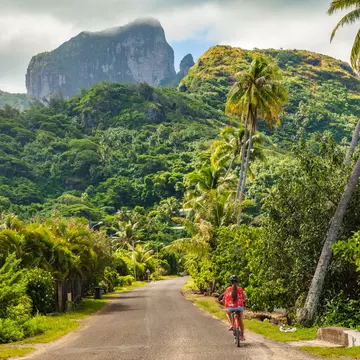
On islands beyond Tahiti, allow yourself entire days of exploring by rental car or scooter: the roads here are relatively well maintained and safe (though watch out for speeding drivers) and exploring with your own vehicle opens up new sightseeing possibilities throughout the islands. If hiking is your passion, head to Bora Bora – the trails are spectacular.
Connected to Tahiti’s main island (Tahiti Nui or “Big Tahiti”) by a narrow landbridge, and only a 70-minute trip from Pape’ete by car (depending on traffic), is the magical little island of Tahiti Iti (which translates to "Little Tahiti”). Coming here is like seeing Tahiti as it was over a century ago.
There’s unspoilt beauty to the island, with lush mountains and waterfalls tumbling right into the lagoon. Tahiti Iti is only partially accessible by road; to truly experience its vastness, take a hiking excursion or join a full-day boat trip from the end of the road at big-wave surfing destination, Teahupoʻo.
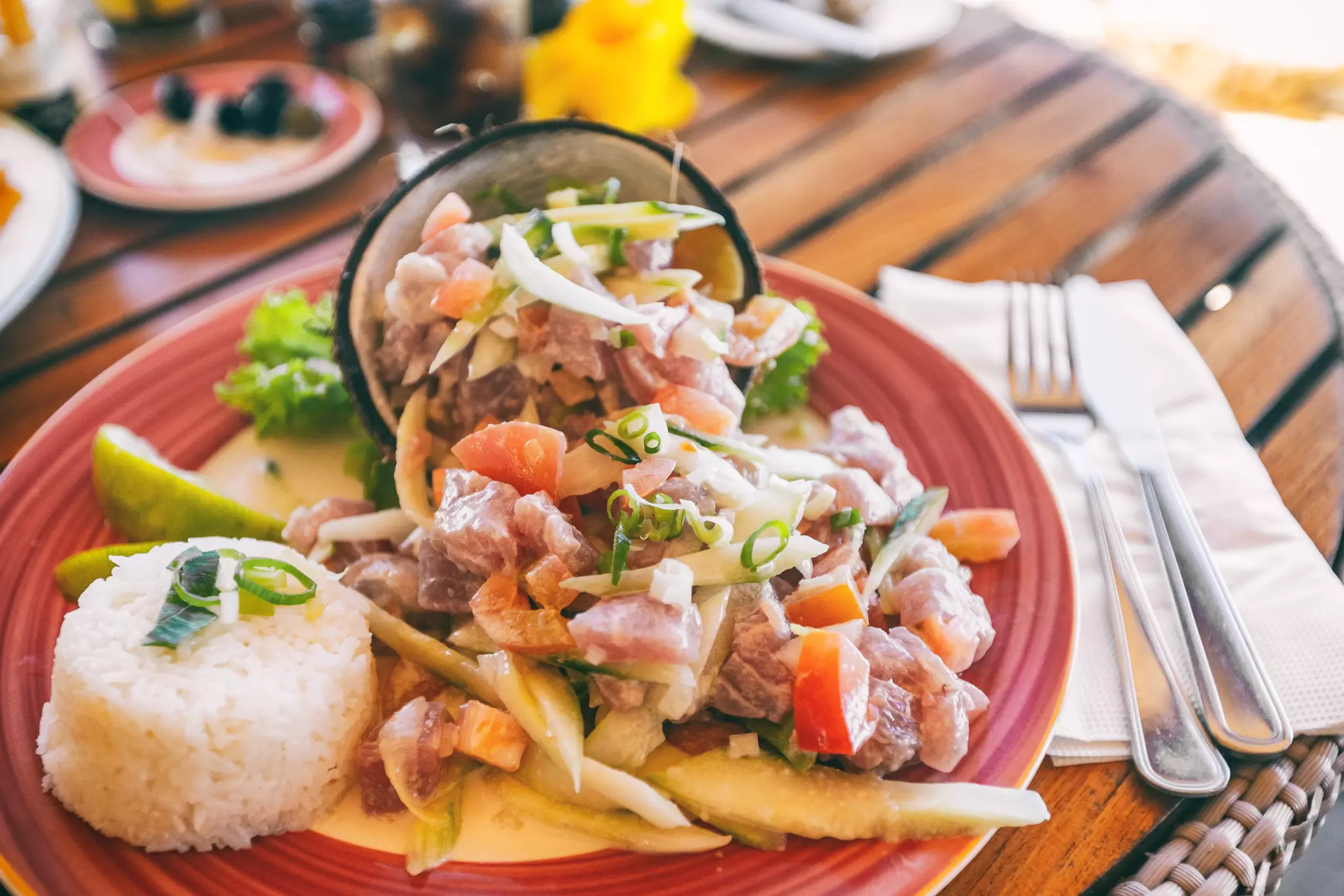
French Polynesia has a rich food culture, much of it linked to the bounty of the sea.
Traditional Polynesian feasts, or tamaaraa, are quite the phenomenon. These shared meals bring together whole communities for food, singing and dancing. The focus is on seafood, meat and breadfruit cooked in a hima'a – a buried earth oven warmed by fire-heated volcanic rocks, and closed off with banana leaves.
While the biggest feasts are held for special events such as Heiva i Tahiti, the island of Maupiti in the Leeward group hosts a regular get-together on Saturdays; local restaurants close and islanders and visitors gather on Motu Tiapaa islet for a hima'a feast (the price for attending is equivalent to a restaurant meal). Some resorts and restaurants also offer hima'a meals at weekends.
Let’s not beat around the bush – French Polynesia can be one of the most expensive destinations on Earth. Most goods are imported and locals don’t pay income tax (the running costs of the islands are partly funded by the high taxes on goods). The price of dining and drinking at resorts may make your heart flutter, and even the prices on menus outside of resorts can be a shock.
To dine on a budget in French Polynesia, eat like a local. Roulottes (food trucks) operate all over the islands, especially on Tahiti. They offer the freshest seafood at reasonable prices, and you’ll be surrounded by locals, not tourists. Also consider the islands' markets, especially the food market in the center of Pape’ete, which is open seven days a week.
Tap water is generally safe to drink in the towns and resorts on Tahiti and Bora Bora (and in larger centers elsewhere), but in outlying locations and rural areas, stick to purified water, ideally from hotel supplies, rather than in polluting plastic bottles.
{
  "url": "things-to-know-before-traveling-to-french-polynesia",
  "destination": "French-Polynesia",
  "title": "french-polynesia",
  "continent": "Australia-&-Pacific",
  "refresh": 30,
  "refresh_limit": 3
} Explore related stories